AI WEIGHS IN ON STICK SHIFTERS

Chuck Dapoz wants his next car to have a manual transmission. He thought he’d ask ChatGPT what kind of people buy cars with stick shifts. ChatGPT was a little harsh.
By Roy Nakano
Mon, May 18, 2026 05:00 PM PST
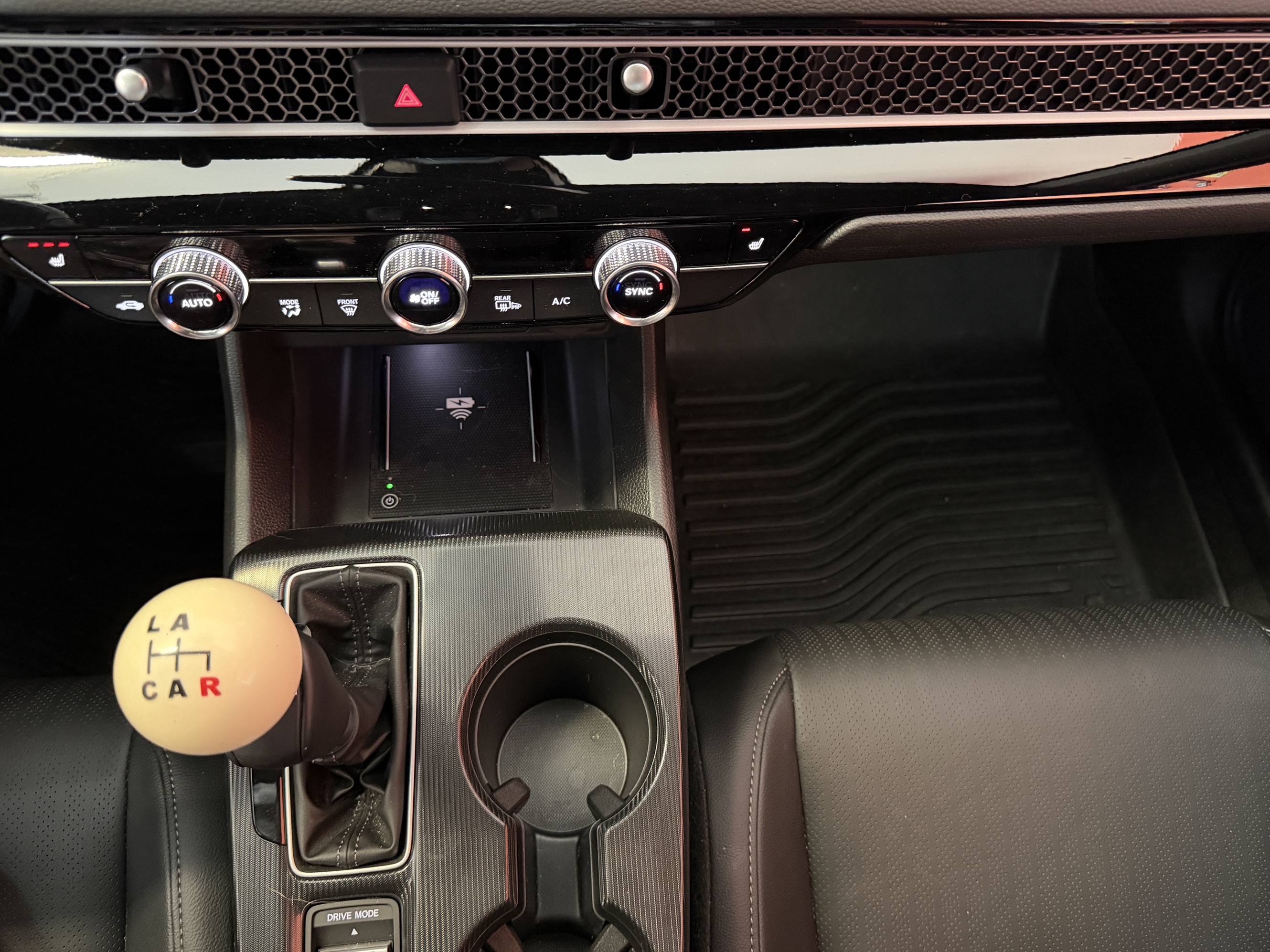
Featured image above: Chuck Dapoz inspired the first logo for LACar when he drew the letters L-A-C-A-R, enclosed in circles at the ends of a shift pattern on a paper napkin at Willow Springs Raceway. That sketch evolved into the image you see here (Nakano).
Automatics Take Over
For decades, the automotive world was dominated by cars equipped with manual transmissions.
In 1950, between 60-75 percent of all new cars purchased in the United States were equipped with a manual transmission—typically with a three-speed column shifter.
But by the mid-1950s, automatics were no longer considered luxuries, with the price of this option coming down on standard Chevrolets and Fords. Even though automatics were far more fuel inefficient that manuals, the price of gasoline back then was substantially lower than today’s prices.

Historical records show that 1957 was the year more consumers in the USA purchased cars with automatic transmissions over those with manual transmissions.
By the turn of the century in the year 2000, the percentage of new cars sold with automatic transmissions climbed to 91 percent.
Today, that percentage is now 98-99 percentage.
Have U.S. consumers gotten lazier, or have automatic transmissions gotten so efficient that manual transmissions make less sense for the overwhelming number of drivers today?
The Joys of Rowing Your Own
LACar Senior Editor Chuck Dapoz has been contemplating a manual for his next car.
Why not a car known to be fun to drive like a manual-equipped Miata (see LACar’s “Miata Is Always The Answer”)?

Or, how about a Civic Si? Even though the Civic Hybrid is quicker, the stick shift-equipped Si is known to be more fun to drive (see LACar’s “A Sleeper In Civic Clothing”).
What Does AI Think?
As artificial intelligence becomes more a part of our everyday life, people have been turning to it for all manner of decisions.
“What would Jesus think?” used to be the question of the day. Now that’s been overshadowed by “Have you asked Google AI?” or “Let’s see what (fill in the blank) comes up with.”
ChatGPT
Chuck asked ChatGPT, the most popular consumer AI application in the USA.
ChatGPT is the web traffic king, with roughly 56 percent of total global web traffic for generative AI.

Here’s how he posed the question:
“In the U.S., few cars have manual transmissions. Few people know how to drive a stick. What are the demographics and psychographics of people who buy cars with manual transmissions?”
ChatGPT Responds
ChatGPT responded to a 30-word prompt with a 848-word reply:
In the U.S., manual-transmission buyers are now a niche market: small in number, but unusually passionate and identity-driven. The “who” is actually pretty distinct once you separate demographics from psychographics.

The short version
Manual buyers in America today are less like traditional “budget-minded drivers” and more like hobbyists, enthusiasts, and experience-seekers. They skew:
younger than average car buyers,
disproportionately male,
more affluent and educated than the old stereotype suggests,
highly engaged with car culture,
nostalgic or anti-mainstream,
and motivated by emotion rather than practicality. (Kbb.com)
Only about 1.7% of new U.S. cars sold in 2023 had manuals. (ASME)
Demographics of manual-transmission buyers
1. They skew male — but not exclusively
Men still dominate the segment, especially in enthusiast/performance cars. Older leasing data showed manual drivers were roughly 85% male. (Autoblog)
But there are signs the gender gap is narrowing:
Women are less likely to know how to drive stick, according to MINI’s survey,
yet interest among younger women remains meaningful,
especially in lifestyle-oriented enthusiast cars like MINI, Subaru BRZ, Miata, and Civic Si. (BMW Group PressClub)

The “manual driver = masculine identity” association still exists culturally in the U.S., though it’s softened compared with the 1990s and 2000s.
2. They skew younger than the average buyer
This surprises many people.
Manual buyers are not primarily retirees nostalgic for the past. In fact:
CarMax found manual buyers are younger than average shoppers by about four years, (CarMax)
Acura said over half of manual Integra buyers were between 18 and 46,
Mazda reported roughly a quarter of manual Miata buyers were 35 or younger. (Kbb.com)
There’s a strong “analog revival” effect among younger buyers — similar to:
vinyl records,
mechanical watches,
film cameras,
and retro gaming. (Kbb.com)

For many younger buyers, manuals feel authentic precisely because they’re obsolete.
3. They tend to be more affluent than manual buyers used to be
Historically, manuals were often the cheapest trim.
That’s no longer true.
Today, manuals are concentrated in:
sports cars,
enthusiast trims,
specialty vehicles,
and premium performance cars.
Examples:
Porsche 911 GT3,
BMW M cars,
Civic Type R,
WRX,
GR Corolla,
Mustang GT,
Miata.
Research discussed in Cadillac’s/Harris Poll data suggested higher-income and more educated Americans are now more likely to be interested in manuals. (Reddit)

This is because manuals shifted from:
“cheap transportation”
to
“enthusiast signaling.”
4. Geography matters
Manual buyers are more common in:
the Mountain West,
Pacific Northwest,
Northeast,
and urban enthusiast markets. (CarMax)
They’re less common in:
heavily suburbanized commuter regions,
high-traffic Sun Belt metros,
and pickup/SUV-oriented markets where automatics dominate.
Dense traffic discourages manual ownership because stop-and-go driving reduces the fun factor.
Psychographics: the more interesting part
This is where manual buyers become very distinct.
1. They are “driving experience maximizers”
The core psychological trait is:
engagement-seeking
Manual buyers tend to view driving as:
an activity,
a skill,
or even craftsmanship,
not merely transportation.
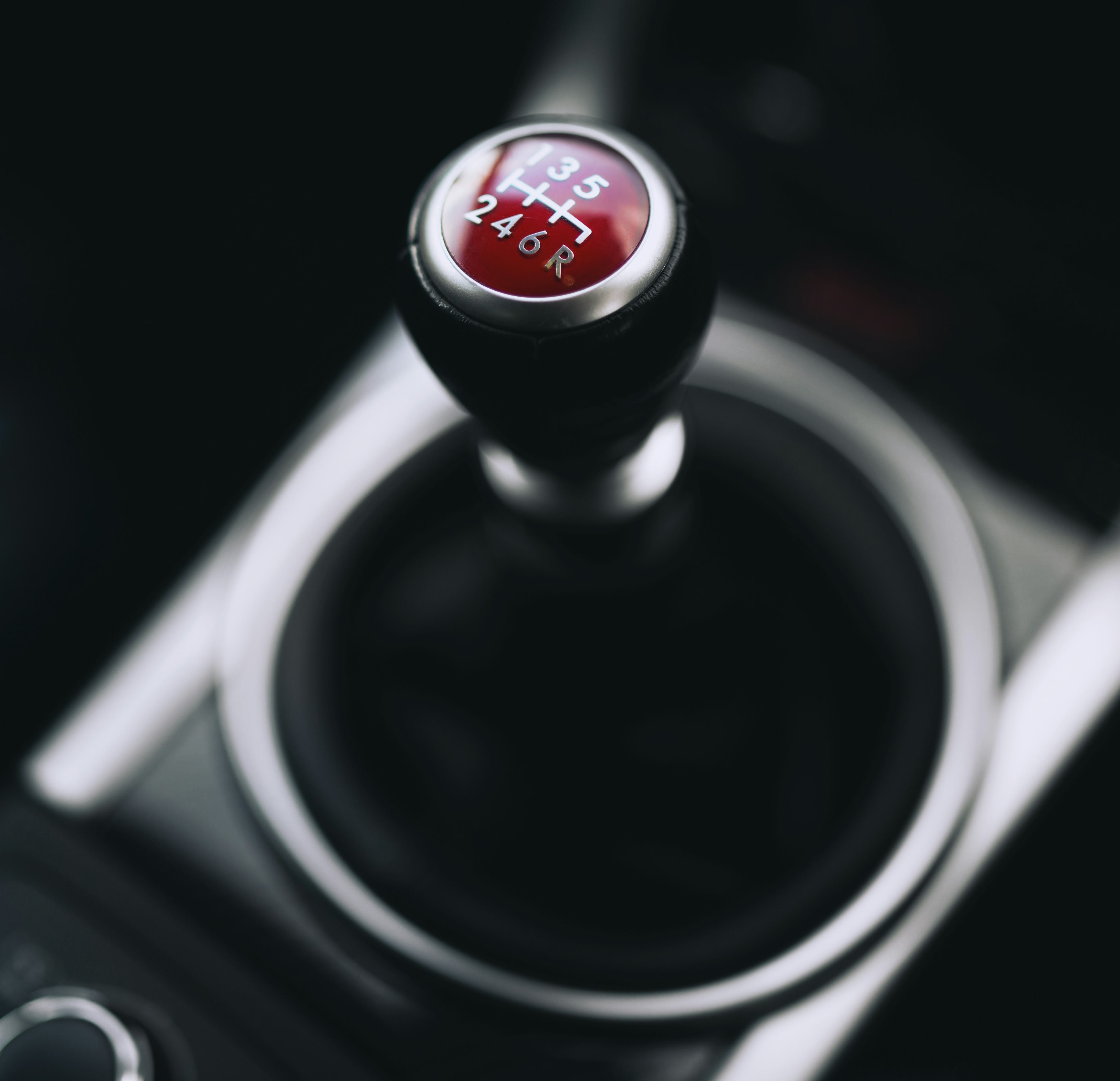
They value:
involvement,
mechanical connection,
tactile feedback,
rhythm and coordination,
mastery.
This is why phrases like:
“connected to the car,”
“row your own gears,”
“driver engagement”
appear constantly in enthusiast communities. (ASME)
2. They are unusually identity-driven consumers
A manual transmission is often a symbolic purchase.
For many owners, it communicates:
“I’m a real car person,”
“I care about skill,”
“I reject passive convenience,”
“I value authenticity.”
That’s especially true because manuals are objectively less convenient now.
Modern automatics:
shift faster,
often get better fuel economy,
perform better in traffic,
and are easier to live with.

So choosing manual becomes expressive rather than rational. (ASME)
3. They have high nostalgia orientation
Many manual buyers idealize:
older car culture,
analog technology,
mechanical simplicity,
and pre-digital experiences.
You can think of manuals as part of a broader “analog authenticity” trend.
This overlaps psychologically with people who prefer:
vinyl over streaming,
mechanical keyboards,
film photography,
old motorcycles,
or hand tools.
The transmission becomes emotionally meaningful because it requires participation.
4. They often score high in “anti-mainstream” consumer behavior
Manual ownership has become a form of mild rebellion.
Because almost nobody drives stick anymore, manual buyers often enjoy:
exclusivity,
insider status,
rarity,
and competence signaling.
That’s why jokes about manuals being “anti-theft devices” are so culturally persistent in
the U.S. now. (Reddit)
For some owners, the inconvenience is actually part of the appeal.
5. They are disproportionately hobbyist-minded
Modern manual buyers overlap heavily with:
motorsports fans,
sim racers,
DIY mechanics,
track-day enthusiasts,
car-club participants,
automotive YouTube audiences.
In many cases, the car is not merely transportation but a recreational object.
This explains why manual take rates are extraordinarily high in enthusiast cars:
Porsche GT3 buyers strongly prefer manuals,
Subaru WRX buyers heavily favor manuals,
GR Corolla is manual-only. (Reddit)

The paradox
The most interesting thing about manuals in America is this:
As manuals disappeared from mainstream cars, the remaining buyers became more extreme in their enthusiasm.
So the market evolved from:
broad but indifferent adoption
to:
tiny but highly committed adoption.
That’s why manual buyers today look more like:
audiophiles,
watch enthusiasts,
cyclists,
guitar collectors,
than average transportation consumers.
The manual transmission in the U.S. has effectively transformed from a practical technology into a lifestyle and identity product.

From Practical to Lifestyle and Identity
So, there we have it.
According to ChatGPT, the manual transmission in the U.S. has effectively transformed from a practical technology into a lifestyle and identity product.
So where does that leave Chuck and his thoughts about a manual transmission for his next car?
“Nothing’s changed.”
“AI is still just a tool, not my master.”
About The Author

Roy Nakano gave birth to LACar in the late '90s. As LACar's Editor, Roy shapes the content and assigns the stories. As a writer, Roy likes to stray off the beaten automotive path: "Six Degrees of Reparations" reflected on the ethical limits taken by car companies throughout history. "Traveling Through the Past and Present of the Green Book" looked at businesses that took a stand and the man that wrote the book. "Best Cars to Drive in Rush Hour Traffic" was an LACar guide published in the pre-GPS era. "In Search of the First Datsun 510 Tuner" looked at one of the milestones in the origin of import tuners. And "Us vs Them" examines the instances when rivalry among automotive enthusiasts crossed the line to violence and even death.