
WORLD’S FASTEST CARS AT THE PETERSEN
The Petersen Automotive Museum’s new “World’s Fastest” exhibit is all about the record-breaking production speed machines that pushed speed to the limit from 1948 to today.
By Roy Nakano
Fri, Jul 17, 2026 11:00 AM PST
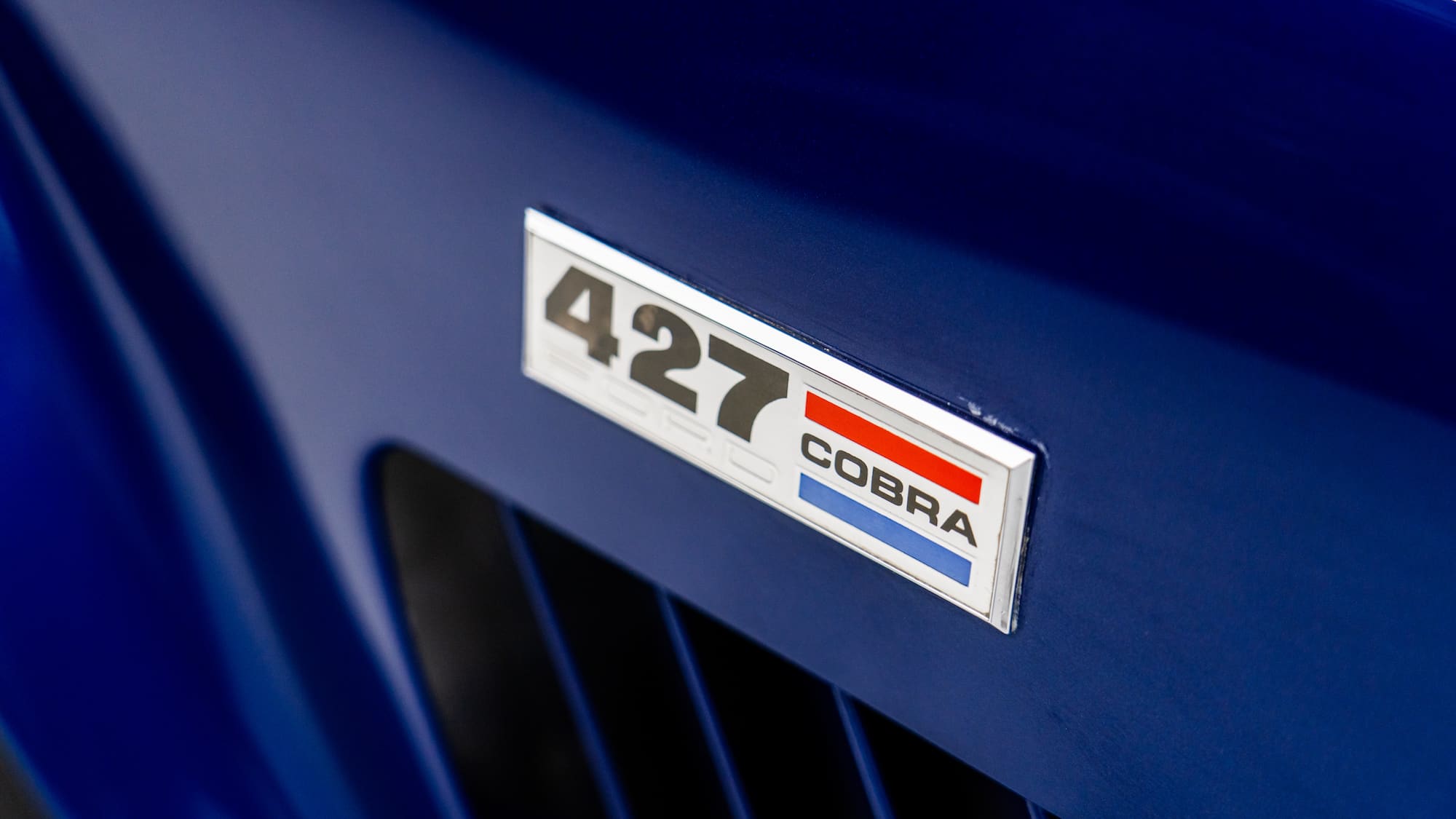
Featured image above: The 427 Shelby Cobra was regarded as the fastest production car in the world in 1965 (Petersen Automotive Museum).
Petersen’s Latest Hat Trick
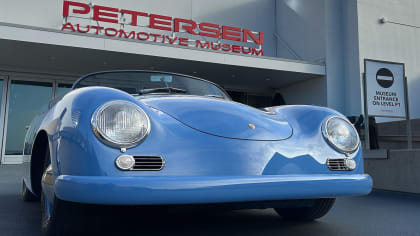
Leave it to the Petersen Automotive Museum to come up with the most intriguing exhibit topics. Their latest is called “World’s Fastest”, and it opens to the public through August 22, 2027.

This exhibit showcases the models to hold the title of world’s fastest production car since 1949—from the Jaguar XK120 (which gets its name for the car’s top speed of 120 miles per hour) through the current record holder, the 282 mph SSC Tuatara.
The Post-War Boom
It’s no coincidence that the boom in sports car popularity followed the years after World War II. The post-war consumers had the money, the time, and the inclination to take their good times on the road.
And the car companies were primed to deliver the goods. Manufacturers competed with each other to come up with the most desirable cars.

As it turned out, there was no greater metric than top speed as a benchmark for top dog status. Never mind that few places in the world allowed you to drive that fast.
The Cutting Edge
Petersen’s “World’s Fastest” exhibit explores all the factors that contribute to speed, including horsepower, aerodynamics, technology, and the intangibles that don’t fit into any of the aforementioned categories.
Milestone Cars
Among the milestone cars featured are the 1954 Mercedes-Benz 300 SL, which was the first to achieve a top speed over 150 mph, and the 1987 RUF CTR “Yellowbird,” which was the first to break a top speed of over 200 miles per hour. The Petersen has singled out 11 vehicles it considers the most notable to have claimed the title of the world’s fastest production car, including but not limited to the Jaguar XK120, Mercedes-Benz 300 SL, Iso Grifo, AC/Shelby Cobra 427, Lamborghini Miura P400 and McLaren F1.


“We have always been captivated by how fast cars can move us,” said Terry L. Karges, executive director of the Petersen Automotive Museum. “Our new ‘World’s Fastest’ exhibit celebrates the most iconic and fastest production vehicles ever made. Visitors will be able to see a direct line from the Bugatti Veyron Super Sport, a car that can reach 267 miles per hour, back 60 years to the Jaguar XK120. These are not just the world’s fastest cars, they are some of the most desirable, as well.”
The Petersen’s “World’s Fastest” exhibit goes on through August 22, 2027, and will be located on the second floor of the museum. Of course, there are many other exhibits you can see at the same time (see, for instance, LA Car's story on 100 Years of Mercedes-Benz.)

Tickets range from $12-23 (add more to view The Vault). More information about the exhibits is available at Petersen.org/exhibits.
About the Petersen Automotive Museum
The Petersen Automotive Museum Foundation is a non-profit 501(c)(3) charity. The museum is located at 6060 Wilshire Blvd. (at Fairfax) in Los Angeles, 90036. Active military with ID, personal care attendants and children under age four are admitted free. Museum hours are 10 a.m. to 6 p.m. daily. For general information, call 323-930-CARS or visit petersen.org.
See LA Car's Facebook gallery of the "World's Fastest" here.
About The Author

Roy Nakano gave birth to LACar in the late '90s. As LACar's Editor, Roy shapes the content and assigns the stories. As a writer, Roy likes to stray off the beaten automotive path: "Six Degrees of Reparations" reflected on the ethical limits taken by car companies throughout history. "Traveling Through the Past and Present of the Green Book" looked at businesses that took a stand and the man that wrote the book. "Best Cars to Drive in Rush Hour Traffic" was an LACar guide published in the pre-GPS era. "In Search of the First Datsun 510 Tuner" looked at one of the milestones in the origin of import tuners. And "Us vs Them" examines the instances when rivalry among automotive enthusiasts crossed the line to violence and even death.