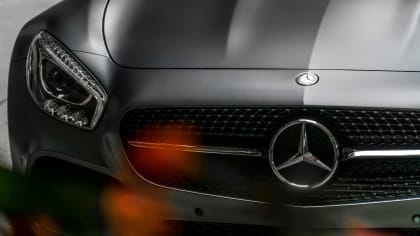
100 YEARS OF MERCEDES-BENZ

The Petersen Automotive Museum is celebrating the merger between Daimler and Benz. “World-Class: 100 Years of Mercedes-Benz” traces the brand’s evolution from competing visionaries to a single global powerhouse.
By Roy Nakano & Christopher Carreiro
Thu, Jul 2, 2026 05:00 AM PST
Featured image above: 1938 Mercedes-Benz 540 K Stromlinienwagen on the left; 1936 Mercedes-Benz 500 K Special Roadster on the right. Both at the Petersen Automotive Museum (all photographs by Christopher Carreiro)
Mercedes-Benz history goes back farther than 100 years.
It can be traced back to 1885—141 years ago—when German engineer Carl Benz invented the first gasoline-powered car.
His three-wheeled Benz Patent-Motorwagen, built in 1885 and patented on January 29, 1886, is widely recognized as the birth of the modern automobile.

Benz’s invention was the first to successfully integrate a combustion engine with a purpose-built chassis.
So why celebrate a 100-year anniversary?
The Petersen Automotive Museum’s “World Class: 100 Years of Mercedes-Benz” marks the 1926 merger of Daimler and Benz.

While the Benz part of Mercedes-Benz has been building automobiles in various forms since 1885, Daimler’s automotive history also traces back to 1885 when Gottlieb Daimler and Wilhelm Maybach took the first step to mobile application by fitting a gas engine or one powered by kerosene/paraffin to a two-wheeler.
The engine, lighter and more powerful than all that had gone before, was nicknamed the "grandfather clock" because of its shape.
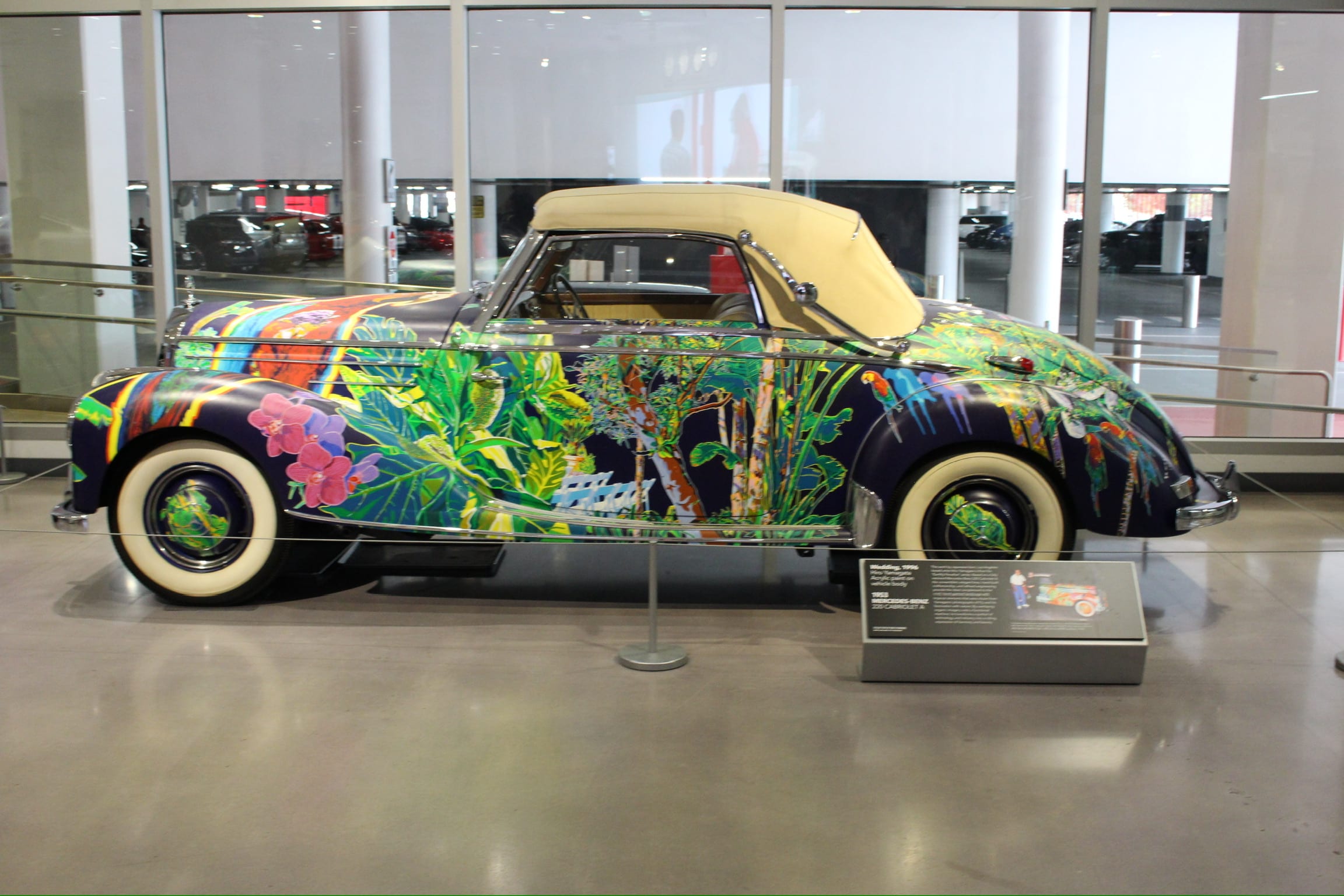
Later that same year, Daimler presented his motor carriage, considered the world's first four-wheeled automobile—a light coach in which a modified and more powerful version of the "grandfather clock" was installed.
It was Daimler Motoren Gesellschaft (DMG) that first used the name Mercedes - named after entrepreneur and later DMG distributor Emil Jellinek commissioned a car in honor of his daughter, Mercédès Jellinek.

Both Benz and Daimler operated as separate entities, developing several innovations through the proceeding years until 1926, when the two companies merged.
So, while Benz and Daimler go back to 1885, Mercedes-Benz—as we now know it today—officially began in 1926.
The Petersen Exhibit
To celebrate this momentous merger, the Petersen Automotive Museum presents “World Class: 100 Years of Mercedes-Benz”—an exhibit in the Mullin Gallery (first floor) of the museum.
The exhibit reaches back to highlight the journey from early Benz and Daimler inventions (like the 1902 Mercedes Simplex 28 HP and an 1886 Patent-Motorwagen) and continues on through decades of prestigious race triumphs and cultural milestones under the Mercedes-Benz banner.
At the media preview for the new exhibit, Petersen’s Executive Director Terry L. Kargas proclaimed:
“This expansive display marks a century of automotive excellence, celebrating the high-performance engineering and luxury that have defined the brand since the historic 1926 merger of Daimler and Benz.

Spanning the Mullin Family Grand Salon, the exhibition serves as a premier tribute to the evolution of the "Three-Pointed Star," featuring over 40 of the most significant vehicles in the company's history.”
It appears this exhibit has everything of significance to Mercedes-Benz—including the kitchen sink.

Accordingly, you’ll see everything from the world’s first automobile, to modern AMG supercars. Said Kargas:
“Decades of innovation and the profound cultural impact Mercedes-Benz has made on the automotive market and car culture around the world are reflected at this new exhibit.”


Among the highlights noted by Kargas:
The 1957 Mercedes-Benz 300 SL Roadster: Specifically, the very first customer-ordered model.
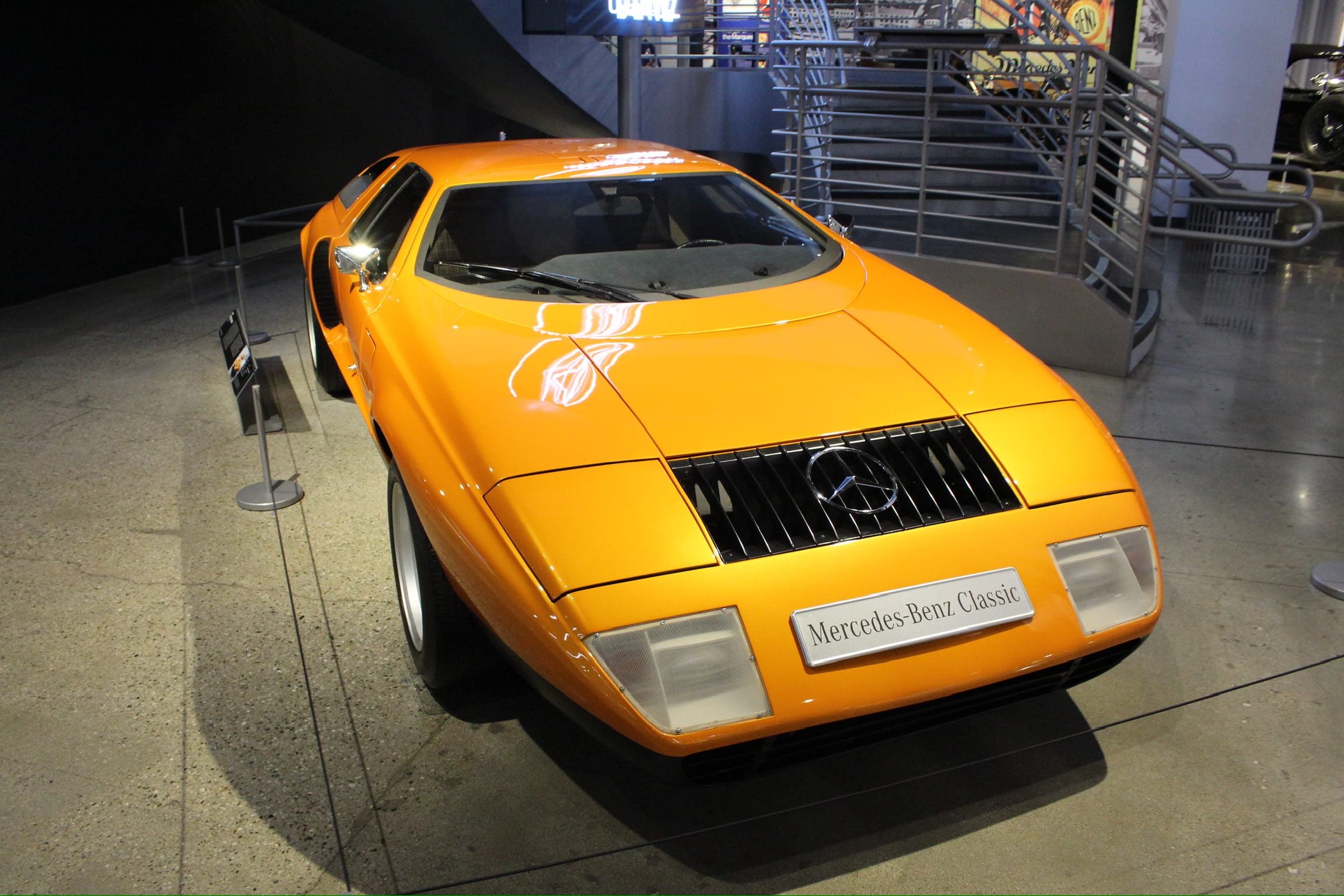
The 1991 Mercedes-Benz C 112: A mid-engine, V-12 experimental racer equipped with gullwing doors and advanced active aerodynamics.
The Keller Collection: Featuring a lineup of rare, pre-war cars, classic S-Class models, and bespoke AMG creations.

“World Class: 100 Years of Mercedes-Benz” will remain open at the Petersen through April 25, 2027.
About the Petersen Automotive Museum
The Petersen Automotive Museum Foundation is a non-profit 501(c)(3) charity. The museum is located at 6060 Wilshire Blvd. (at Fairfax) in Los Angeles, 90036.


Admission prices are $22 for general admission adults, $20 for seniors (62+), $13 for youth (12-17) and $12 for children ages 4 to 11. Active military with ID, personal care attendants and children under age four are admitted free. Museum hours are 10 a.m. to 6 p.m. daily. For general information, call 323-930-CARS or visit petersen.org.
World Class: 100 Years of Mercedes-Benz
Dates: The exhibit officially opened to the public on Saturday, May 23, 2026, and will remain on display until April 25, 2027.
Location: Mullin Gallery (First Floor), Petersen Automotive Museum, 6060 Wilshire Blvd, Los Angeles, CA.
For tickets, museum hours, and a deeper dive into the collection, you can visit the Petersen Automotive Museum's exhibit website.
About The Authors

Roy Nakano gave birth to LACar in the late '90s. As LACar's Editor, Roy shapes the content and assigns the stories. As a writer, Roy likes to stray off the beaten automotive path: "Six Degrees of Reparations" reflected on the ethical limits taken by car companies throughout history. "Traveling Through the Past and Present of the Green Book" looked at businesses that took a stand and the man that wrote the book. "Best Cars to Drive in Rush Hour Traffic" was an LACar guide published in the pre-GPS era. "In Search of the First Datsun 510 Tuner" looked at one of the milestones in the origin of import tuners. And "Us vs Them" examines the instances when rivalry among automotive enthusiasts crossed the line to violence and even death.
Together with

Christopher Carreiro is a photographer and life long car enthusiast, passions for which he combines around the LA car scene in equal measure. Born in Long Beach, Chris feels lucky to attend the Grand Prix his city hosts at his leisure, however, he prefers checking out the dazzling array of cars that show up annually at the Japanese Classic Car Show, held on the same grounds. Further marrying his hobbies of cars and photography he has turned to writing about the car scene in LA to offer a unique glimpse into the culture from the lens of a native Angeleno.