A JOURNEY THROUGH MY BURIED PAST

I journey to where my family was incarcerated over 80 years ago in Jerome, Arkansas. Along the way, I see heartfelt reminders of America’s history.
By Roy Nakano
Thu, Aug 13, 2026 05:00 PM PST
Featured image above: A hospital smokestack is the only original structure that remains where an incarceration camp once stood in Jerome, Arkansas (Nakano)
Reconnecting With My Family's Past
Having a history professor in the family can make for an interesting vacation, as was the case for me when I found out a pilgrimage was being planned to bring together the families of Japanese Americans incarcerated in camps located in Arkansas during the 1940s.
My family was among the 8,500 people sent to the Jerome incarceration camp after Executive Order 9066 was carried out to remove Americans of Japanese ancestry from the West Coast.

Despite all the times my family talked about the camps, all the times I visited the camps at Heart Mountain, Manzanar (see LA Car's Explore the Eastern Sierra Along Highway 395), Poston, Tule Lake (where my family ultimately ended up), and the one time I attended a reunion of incarcerees at the Santa Anita Racetrack...I never visited the one in Arkansas that played such a consequential role in their lives.
That changed when I signed up for the Jerome-Rohwer pilgrimage earlier this year, along with my spouse Susie and son Joey. Jerome was the last of the 10 incarceration camps set up by the government, and the one my family was sent to after their temporary stay in a stable at the Santa Anita Assembly Center.
Susie suggested we fly to Memphis, Tennessee, and then take a car for a road trip down through Arkansas, Mississippi, and back to Tennessee.

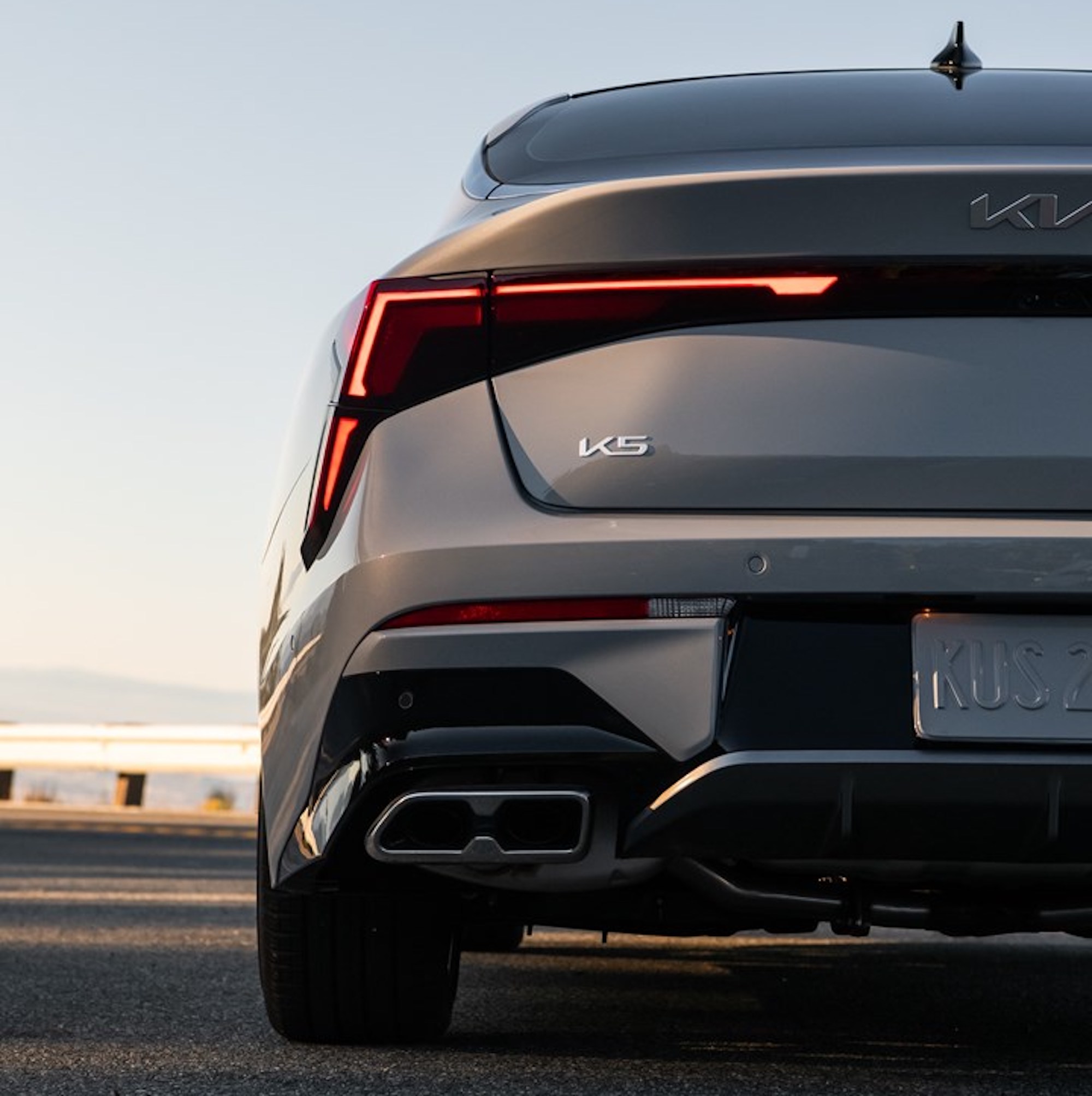
We did just that, and cruised through the South in a Kia K5 sedan just a little over a month before the nation’s 250th birthday.
The Jerome-Rohwer Pilgrimage
The pilgrimage was dedicated to the survivors of the two camps in Arkansas—Jerome and Rohwer. We boarded one of the buses heading out from Little Rock to visit the two camp sites.

A small cemetery, a replica guard tower, and memorials dedicated to fallen incarees of the 100th Infantry Battalion and 442nd regimental combat team graced the Rohwer location.
Only a marker and smokestack from the hospital incinerator remain from the Jerome site.

The pilgrims were warmly greeted by Jeff Owyoung, the mayor of nearby McGehee who also serves as president of McGehee’s Jerome-Rohwer Interpretive Museum & Visitor Center.
I came out of the pilgrimage with a better understanding of my family’s experience in Jerome.
In particular, I learned that among the 10 camps established under Executive Order 9066, Jerome had one of the highest per capita number of protesters.

Tensions between the incarcerated and camp administrators reportedly increased over time, leading to the resignation of the camp director.
This shed some light why my parents—both U.S.-born citizens—protested a “loyalty questionnaire” that all of the incarcerated had to respond to. A Freedom of Information Act request Susie initiated revealed what they said in response to the questionnaire:
“The compulsory evacuation of citizens of Japanese ancestry was unjust, unconstitutional, and a product of racial discrimination and prejudice.”
This answer landed them in Tule Lake—site of the highest security camp among the 10 camps, designed to separate and hold those prisoners considered either disloyal or disruptive to the operations of the other locations.

At the Tule Lake camp, my parents lost their citizenship, only to get it back in the 1950s (see Kathryn Ling Nakano's "Silver Linings on the Road to Tule Lake").
Arkansas Points of Interest
Before leaving Arkansas, we visited Little Rock’s Central High School, which was the site of the Little Rock Nine back in 1957. In looking at the markers surrounding the school, today’s Central High has not forgotten its history.

We also stopped by the Plantation Agricultural Museum in Scott, which featured an exhibit, “The Arkansas Delta Chinese: From Immigration to Integration and Beyond", initiated by history department students at University of Central Arkansas with the help of the Arkansas Chinese Heritage Project and others.
McGehee major Jeff Owyoung is prominently part of the Delta exhibit.

Mississippi Turning
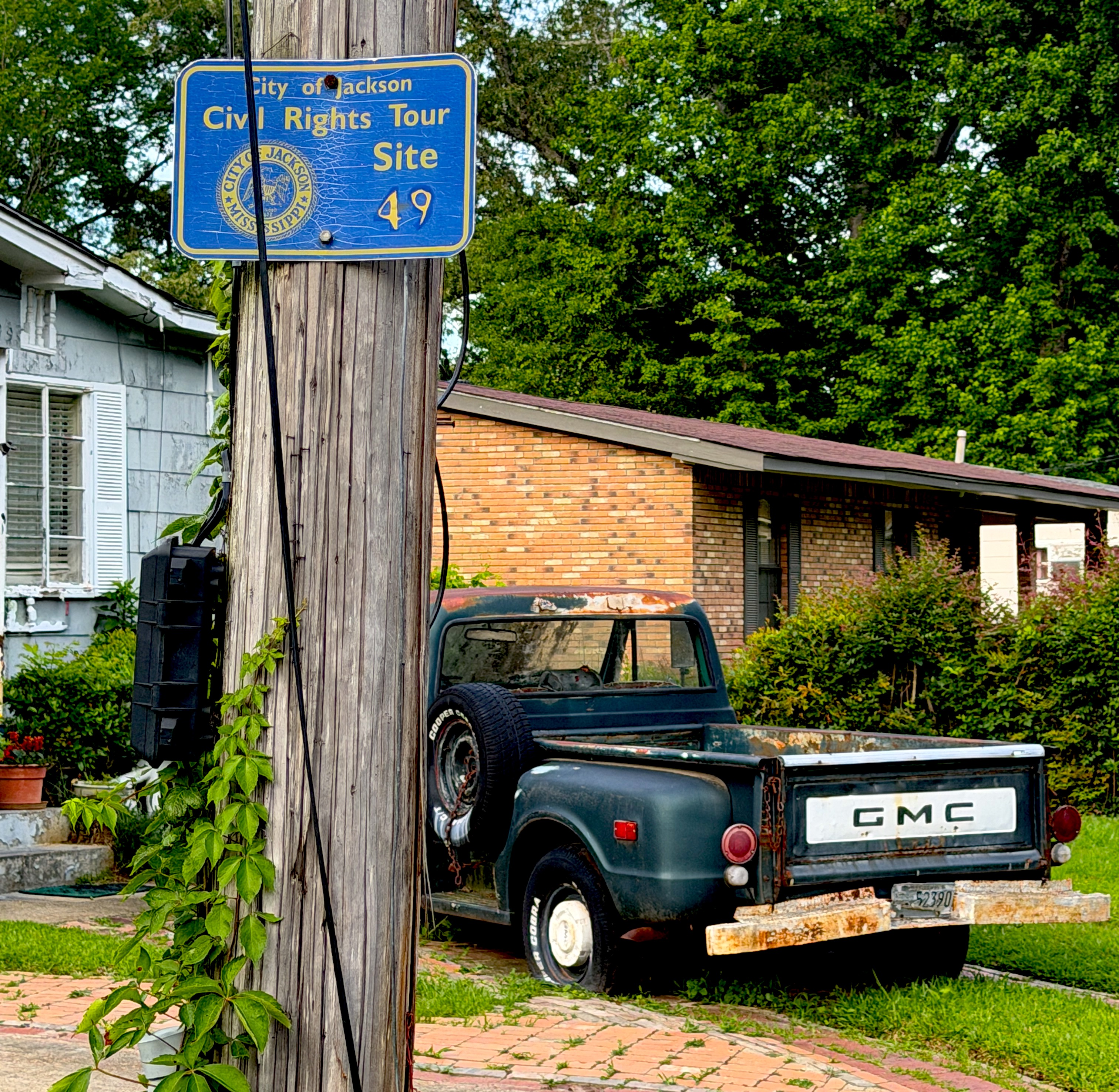
Our first stop outside of Arkansas was Jackson to see the magnificent Mississippi Civil Rights Museum.
The museum features eight interactive galleries on the quest for equality between 1945 and 1975, including a central gallery illuminating the names of activists and victim, “Mississippi In Black and White: 1865–1941”, a Medgar Evers display, a gallery showcasing the Freedom Riders arrested in Mississippi, and a somber exhibit listing the names of 600 victims of racial killings in Mississippi.
We took the road that followed the Tallahatchie River, and found a sign next to a bridge marking the place where Bobbie Gentry (of Ode to Billie Joe fame) spent her childhood.

The Tallahatchie River is also where 14-year old Emmett Till’s body was found in 1955.
We visited the Interpretive Center, but Joey had seen the movie Till and wanted to view the historical marker at Graball Landing along the Tallahatchie River.

The Marker at Graball Landing
The road to Graball Landing kept getting smaller and smaller. At some point, it was no longer paved.
The K5 we were driving is a low-slung sedan, similar to a Honda Accord or Toyota Camry. The car is ideal for traversing paved U.S. roads, but not for rougher terrain. So, we turned around and decided to head over to Memphis, Tennessee.
We found out later the historical marker at the landing has a long and contentious history of vandalism.

The first marker was erected in 2008—over fifty years after the Emmett Till incident. Within six months, the marker was stolen. Replacement signs were routinely targeted. One was riddled with 317 bullet holes and pellet gun indentations. Another was notably vandalized when college students were posing with rifles in front of it.
In 2019, a 500-pound bulletproof steel marker was installed to ensure the history remained. The heavily damaged second marker with bullet holes is occasionally displayed at the National Museum of American History in Washington, DC.
Give Me Memphis, Tennessee
We wanted to go Memphis, but the GPS kept taking us back to Mississippi. Then we realized there’s a Memphis in Mississippi (not to mention a West Memphis in Arkansas).

After reaching the right Memphis, we walked over to historic Beale Street to soak in some music (the Rock and Soul museum comes highly recommended) and meals (lots of BBQ to go with the BB King).


Hot Rods on Beale
Lucky for us, we stumbled upon the monthly “Hot Rods on Beale”, wherein Beale Street is blocked off and local enthusiasts bring their show-worthy vehicles to display and chew the fat.


We also saw an historical marker about Chinese Americans on Beale Street, indicating 14 Chinese laundries served this African American main street from 1887 to 1915, as did five Chinese groceries from 1930 to 1960.


Loraine Motel Memories
Our Memphis highlight was visiting the National Civil Rights Museum, which is built around the Lorraine Motel where Dr. Martin Luther King Jr was assassinated.


The museum also includes the Young & Morrow Building across the way, where James Earl Ray initially confessed (and later recanted) to shooting King.
The museum is cleverly designed. The exhibits follow a chronological sequence as expected. It’s not obvious, but there’s a slight incline as you walk through the exhibits.


By the time you reach April 4, 1968, you are on the second floor of the Lorraine Motel, looking into King’s bedroom and looking out to the balcony where he was shot.


Our trip concluded with a cool and tranquil boat ride and tour on the Mississippi River—a peaceful way to end our lively, historical road trip.

For Spacious Skies
I look forward to our next trip, which will surely include another part of history involving our 250-year-old purple mountains and amber waves of grain.

Vitals from the Road Trip
2026 Kia K5
The vehicle was a Kia K5 sedan, a midsize sedan that competes with the segment of cars that includes the Honda Accord and Toyota Camry. For more information about the K5, visit the Kia K5 site.
Jerome-Rohwer Pilgrimage
Held annually to honor the survivors of the two incarceration camps. The pilgrimage fosters healing and communication amongst survivors and descendants, and provides opportunities to learn about and discuss the continuing legacy of the camps. The 2027 pilgrimage will be held May 26-29 in Little Rock, Arkansas. Registration will be available early 2027.
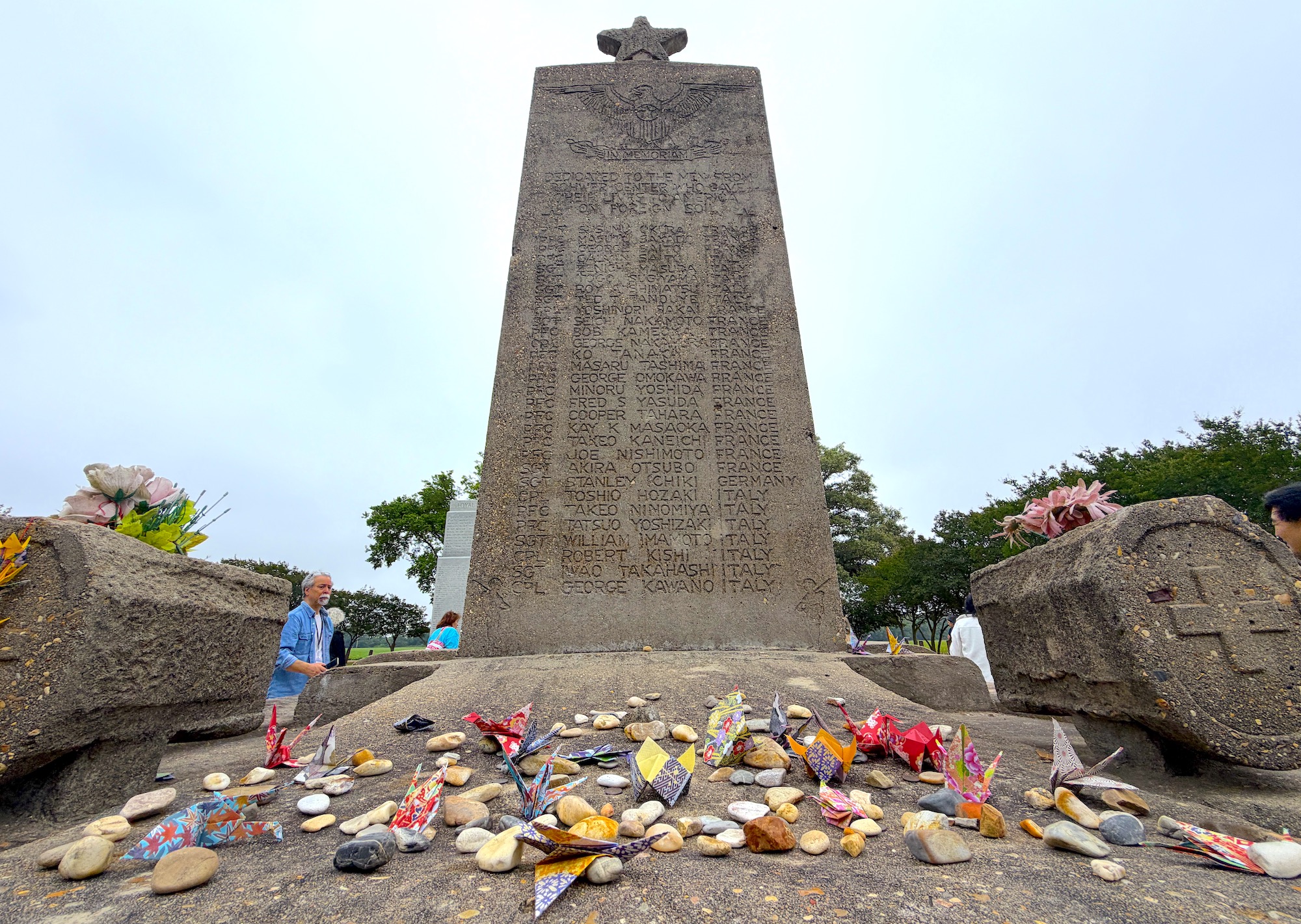
Jerome-Rohwer Interpretive Museum & Visitor Center
Located inside the historic railroad depot at 100 S. Railroad Street in McGehee, Arkansas, the Center explains how Rohwer and Jerome temporarily became the fourth and fifth largest population centers in Arkansas during the 1940s. The current exhibit, Life Interrupted – Against Their Will, features vintage photographs, personal belongings, artwork, and oral histories from people who lived in the camps. See the Arkansas State University Rohwer Heritage site.
Little Rock Nine
The Little Rock Nine was a group of nine African American students who integrated Central High School in Little Rock, Arkansas, in September 1957. Their effort to attend the formerly all-white school tested the landmark 1954 Supreme Court ruling in Brown v. Board of Education, sparking a national crisis that led to federal intervention and reshaping the American civil rights movement.
Arkansas Delta Chinese: From Immigration to Integration
An exhibit initiated by history department students at University of Central Arkansas, with the help of the Arkansas Chinese Heritage Project and others.
Mississippi Civil Rights Museum
A museum in Jackson, Mississippi, with a mission is to document, exhibit the history of, and educate the public about the American Civil Rights Movement in the U.S. state of Mississippi between 1945 and 1970. Visit the site.
Emmett Till Interpretive Center
The Intepretive Center preserves the stories and sites of Emmett Till and Mamie Till-Mobley through narratives, education, and memorialization at the National Park Service Visitor Center in Sumner, Mississippi.
Hot Rods on Beale
Organized by the American Muscle Car Club and the Perfect Nemisis Car Club. Occurs on the 4th Tuesday of the month from April-September, 6pm-10pm. Anyone with a hot rod and who would like to participate can contact Clarence Goodwin at (901) 412-7324. See LA Car’s Facebook gallery of the event here.
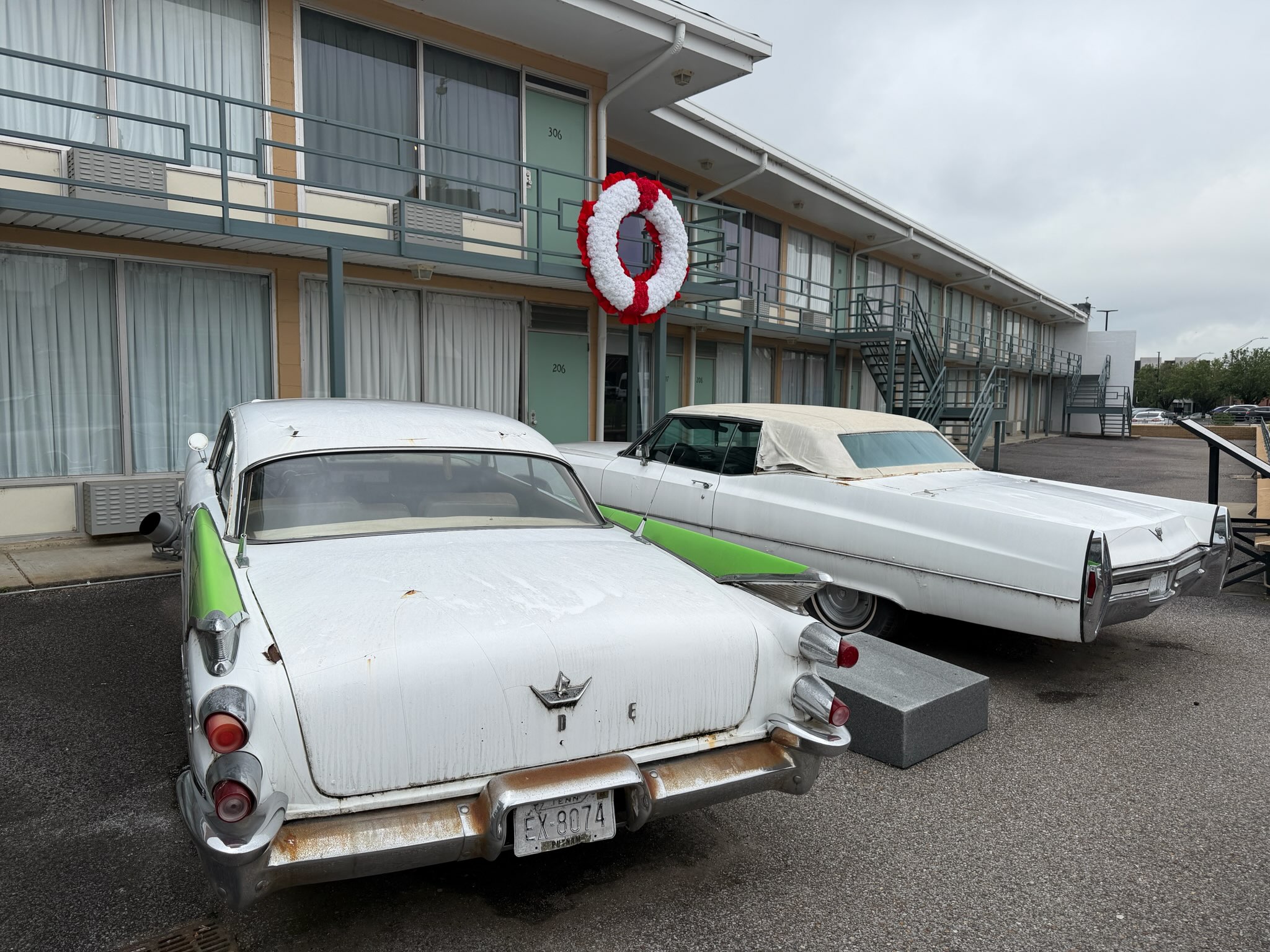
National Civil Rights Museum
A complex of museums built around the historic buildings where Dr. Martin Luther King was assassinated in Memphis, Tennessee. Its exhibits trace the history of the civil rights movement in the United States from the 17th century to the present.
About The Author
Roy Nakano gave birth to LACar in the late '90s. As LACar's Editor, Roy shapes the content and assigns the stories. As a writer, Roy likes to stray off the beaten automotive path: "Six Degrees of Reparations" reflected on the ethical limits taken by car companies throughout history. "Traveling Through the Past and Present of the Green Book" looked at businesses that took a stand and the man that wrote the book. "Best Cars to Drive in Rush Hour Traffic" was an LACar guide published in the pre-GPS era. "In Search of the First Datsun 510 Tuner" looked at one of the milestones in the origin of import tuners. And "Us vs Them" examines the instances when rivalry among automotive enthusiasts crossed the line to violence and even death.