From Looms and Luminaries: How Japan's Car Companies Emerged
Before Toyota built cars, it made looms. Soichiro Honda started as a motorized bicycle maker. The first DAT car was produced in 1914. The “son of DAT” (Datsun) followed. Its builder would merge with others to become Nissan.
By Susie Ling
Sun, Mar 15, 2026 06:00 AM PST
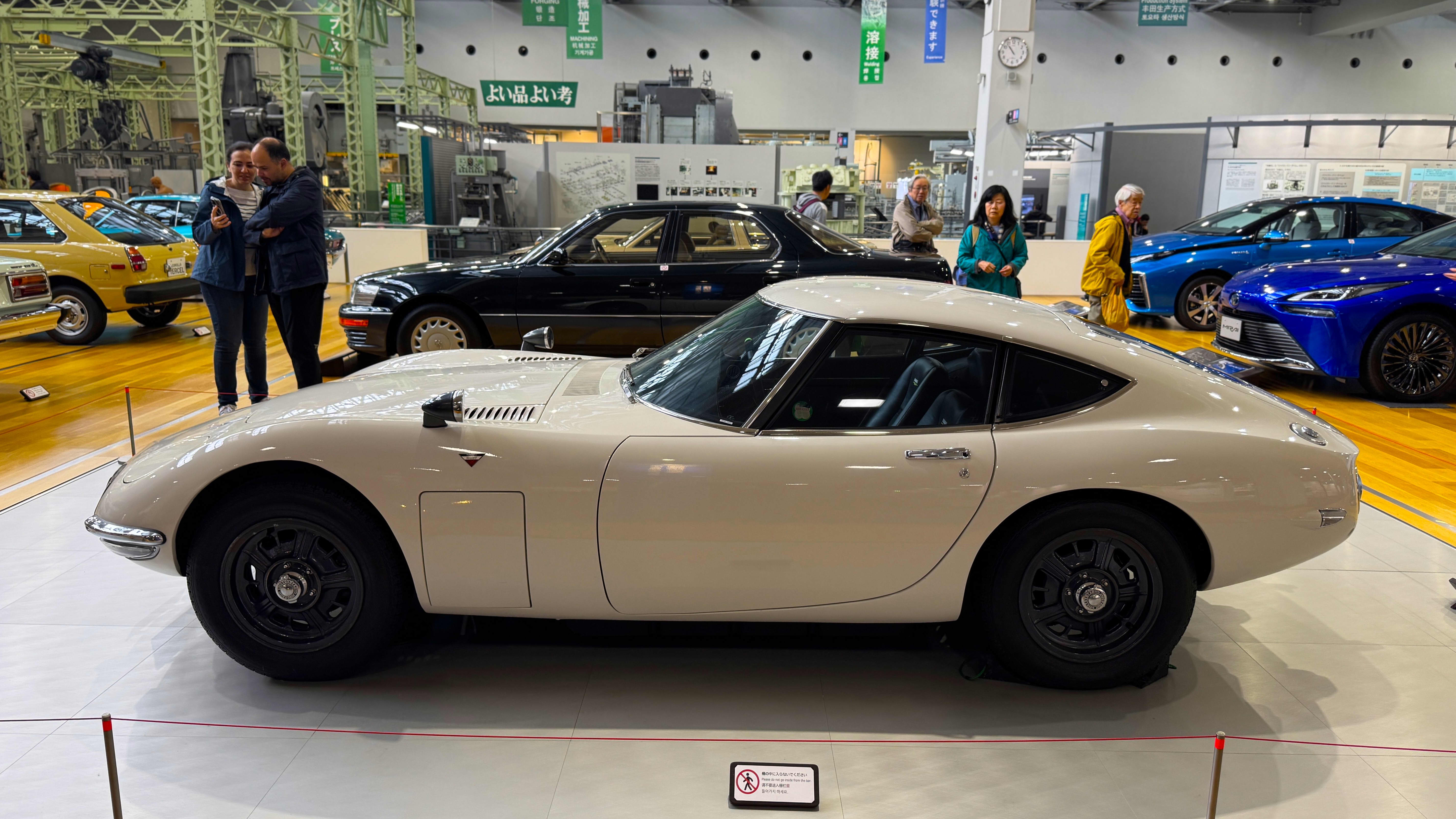
Featured image above: A Pegasus White 1967 Toyota 2000GT on display at the Toyota Commemorative Museum of Industry and Technology in Nagoya, Japan (Nakano).
Toyota, Honda, Nissan, Mazda, Mitsubishi, Isuzu is but a partial list. These Japanese car companies very much reflect the evolution of Japan’s history in the last 150 years.
Pacific Overtures
By the 1850s, Tokugawa Japan (1615-1868) was threatened by encroaching Euro American colonial interests in Asia, but Japan was not as geographically accessible or desirable as India, Philippines or China. In this gap, Japan overthrew their traditional Tokugawa political structure in 1868.
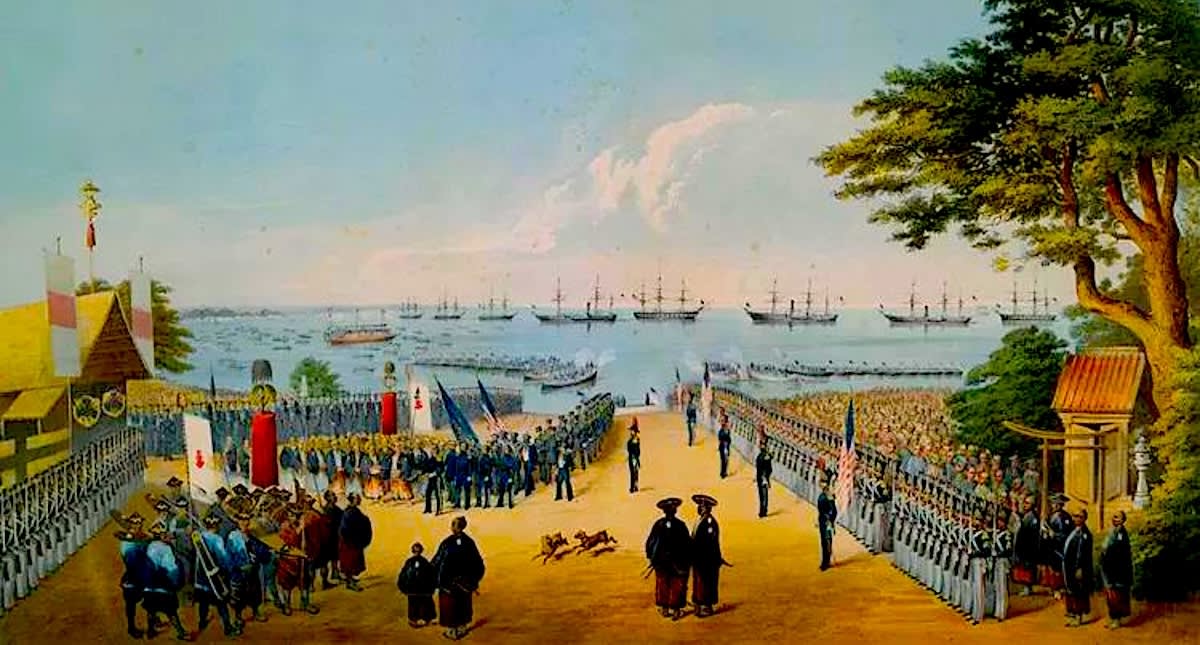
The new Meiji system focused on centralization/nationalism, education, science, and government-led modernization of infrastructure.
But Japan’s traditional social hierarchy was preserved in ways. The new government collaborated with business conglomerates—zaibatsus 財閥—-including the original Big Four 四大財閥: Mitsubishi, Mitsui, Sumitomo, Yasuda.
Japan’s industrialization was quicker and more orderly than the more spontaneous movements earlier seen in Western Europe and Northeastern United States. Euro American colonial trade interests suppressed industrial ambitions in other Asian and African states.
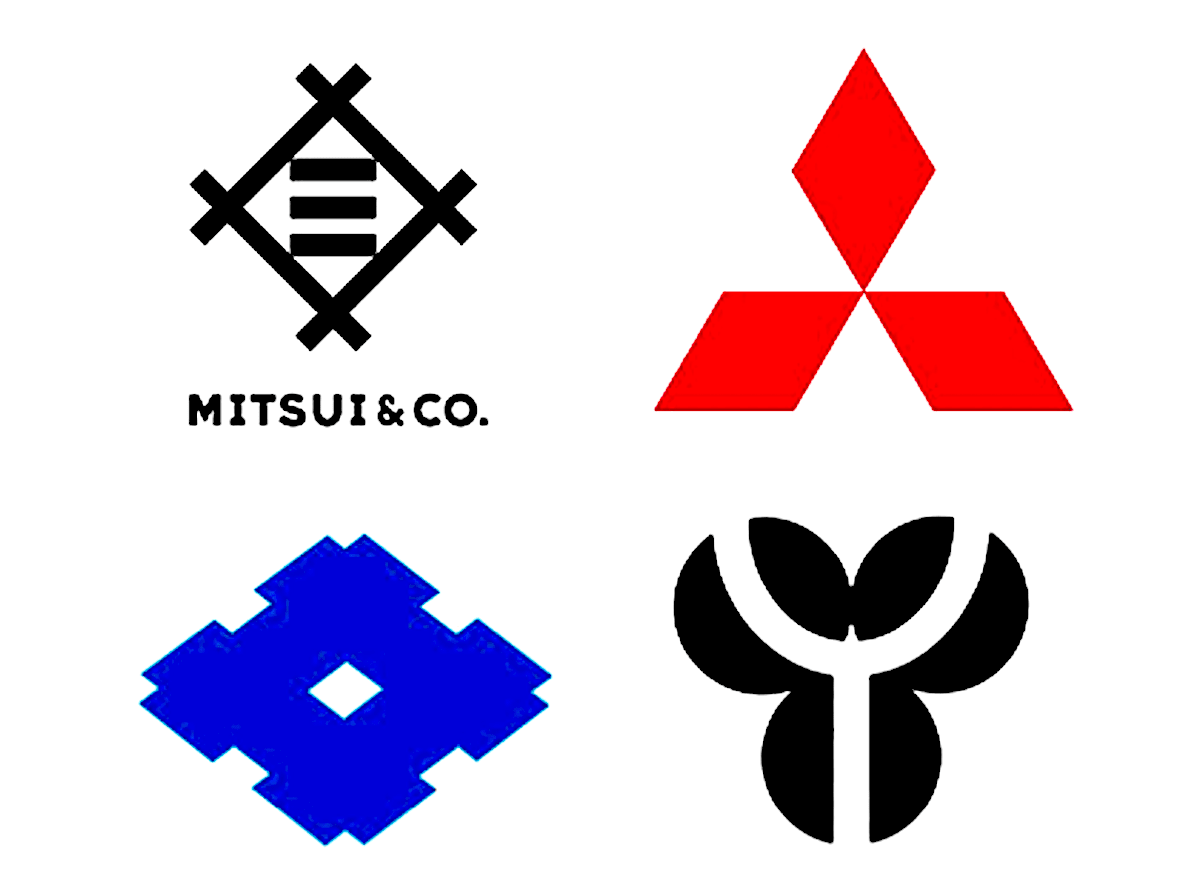
Mitsubishi
Mitsubishi was founded by Yataro Iwasaki 岩崎 弥太郎 in 1870 and first focused on shipping Japanese troops and war materials to Taiwan and against the 1877 Satsuma Rebellion.
The Iwasaki family’s ties with the ruling government led them to branch into mining, shipbuilding, and finance.
In 1917, Mitsubishi introduced its Model-A car – a luxury vehicle for government officials. Only 22 were built.
During World War II, Mitsubishi provided about 10,000 A6M Zero fighters for the imperial effort – along with ships and other supplies.
After WWII, the 7-year Allied Occupation forcibly disbanded Mitsubishi into over 100 separate entities; the Iwasaki family “abdicated”.
But during the Korean War, U.S. military needs allowed the remerging of many aspects of the Mitsubishi brand.
For the postwar rebuilding of Japan, there was great need of modern transportation, and Mitsubishi manufactured Fuso buses, 3-wheeled cargo Mizushimas, and Silver Pigeon scooters.
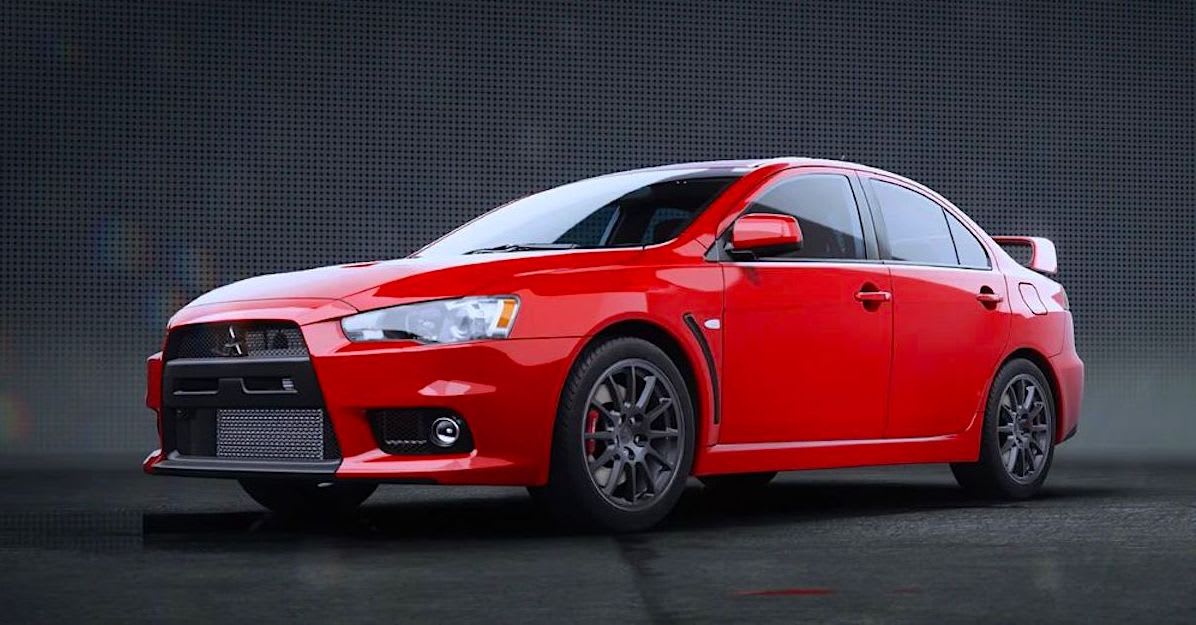
Production and design took off in the 1960s. Mitsubishi Motors had produced a million cars by 1980. In the 1970-90s, Japanese automakers were moving into the international market. In 2016, the Renault-Nissan-Mitsubishi Alliance was established, and was among the first legacy manufacturers to focus on the production of family friendly electric vehicles.
Datsun/Nissan
In 1911, Kwaishinsha Motor Car Works was founded in Tokyo. Kwaishinsha 快進社 literally means “fast forward company”.
In 1914, they released their first DAT-go. DAT means “fast” and also the acronym of the three financiers: Den, Aoyama and Takeuchi.
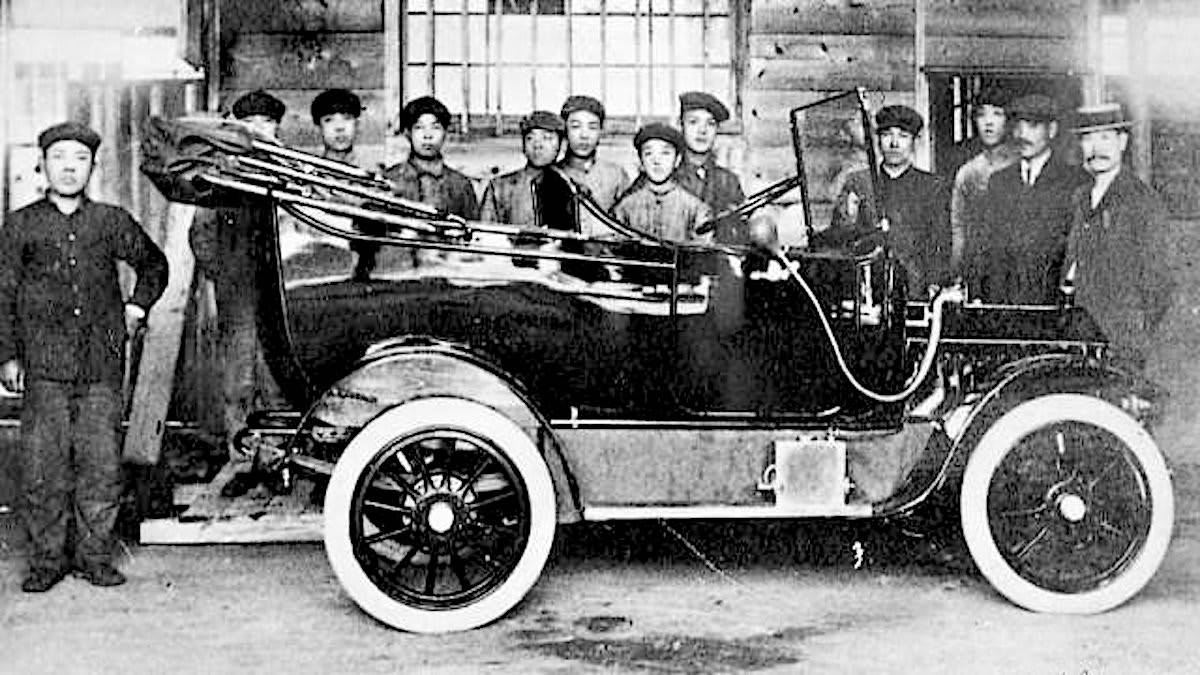
“Go” was then the word for car. Yoshisuke Aikawa 鮎川 義介 took over the business. He was a blue blood related to Meiji’s stateman, Inoue Kaoru, and an engineering graduate of Tokyo Imperial University; he had also studied in the U.S. He created a mining, financing, and transportation zaibatsu called Nihon Sangyo (meaning Japanese industries) – abbreviated to “Nissan” in the stock market.
In the early 1930s, Aikawa produced a light weight, economical and resilient car and named the son of DAT—Datson, later changed to Datsun.
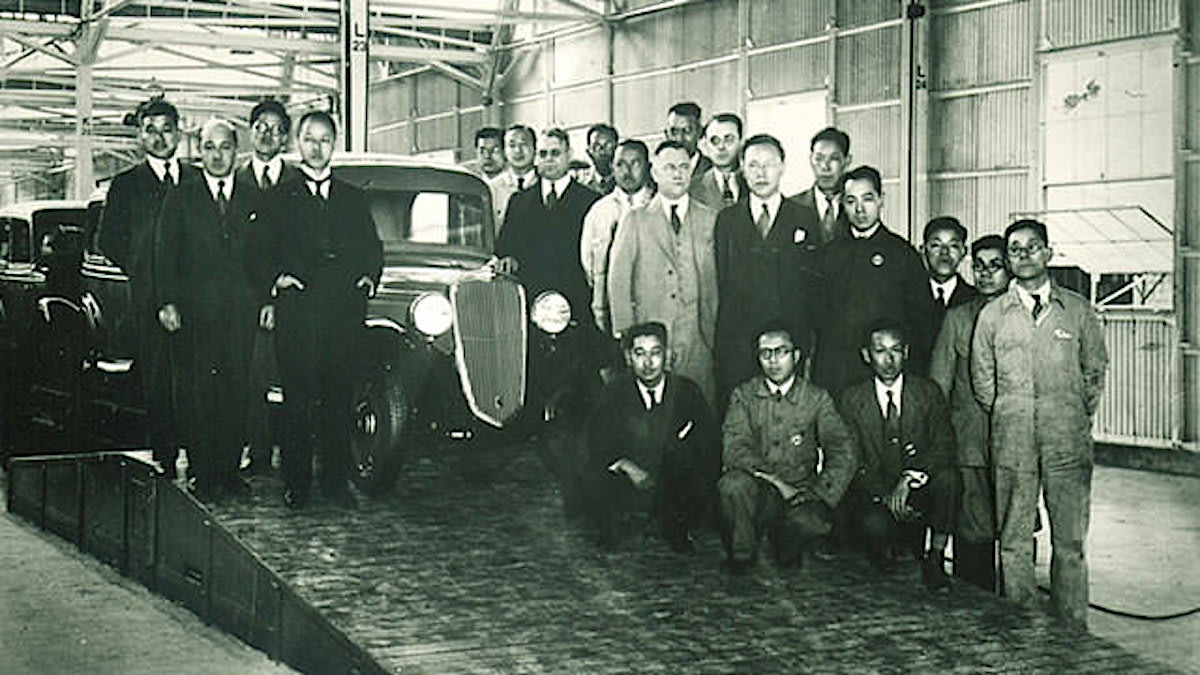
Nissan was very much involved in war production, especially in occupied Manchuria.
However, while Aikawa’s economic views were in line with Imperial Japanese Army policy, his political views were not. He supported refugee status for Jews under the belief their business acumen could help the country (Young, Louise (1999). Japan's Total Empire: Manchuria and the Culture of Wartime Imperialism. University of California Press, pp.218).
Editor's note: Nissan’s Yoshisuke Aikawa was an opponent of the Tripartite Pact and predicted that the forces of the United Kingdom and France would eventually prevail over Nazi Germany in event of war (See To the Beat of a Different Drummer: Nissan 360).
In 1942, Aikawa resigned as chairman of the Manchurian Industrial Development Company at the instigation of the Kwangtung Army and moved back to Japan.
Aikawa was arrested after the surrender of Japan as a Class A war crimes suspect. He was freed before his case came to trial. The Nissan zaibatsu was dissolved during this time.
In 1953, Aikawa resurfaced as a political leader in an era where his management and technical skills were valued.
Nissan emerged as the major producer of vehicles for the U.S. Army during the Korean War. In this era of anti-communism, Nissan was well known for suppressing labor organizing of its workers.
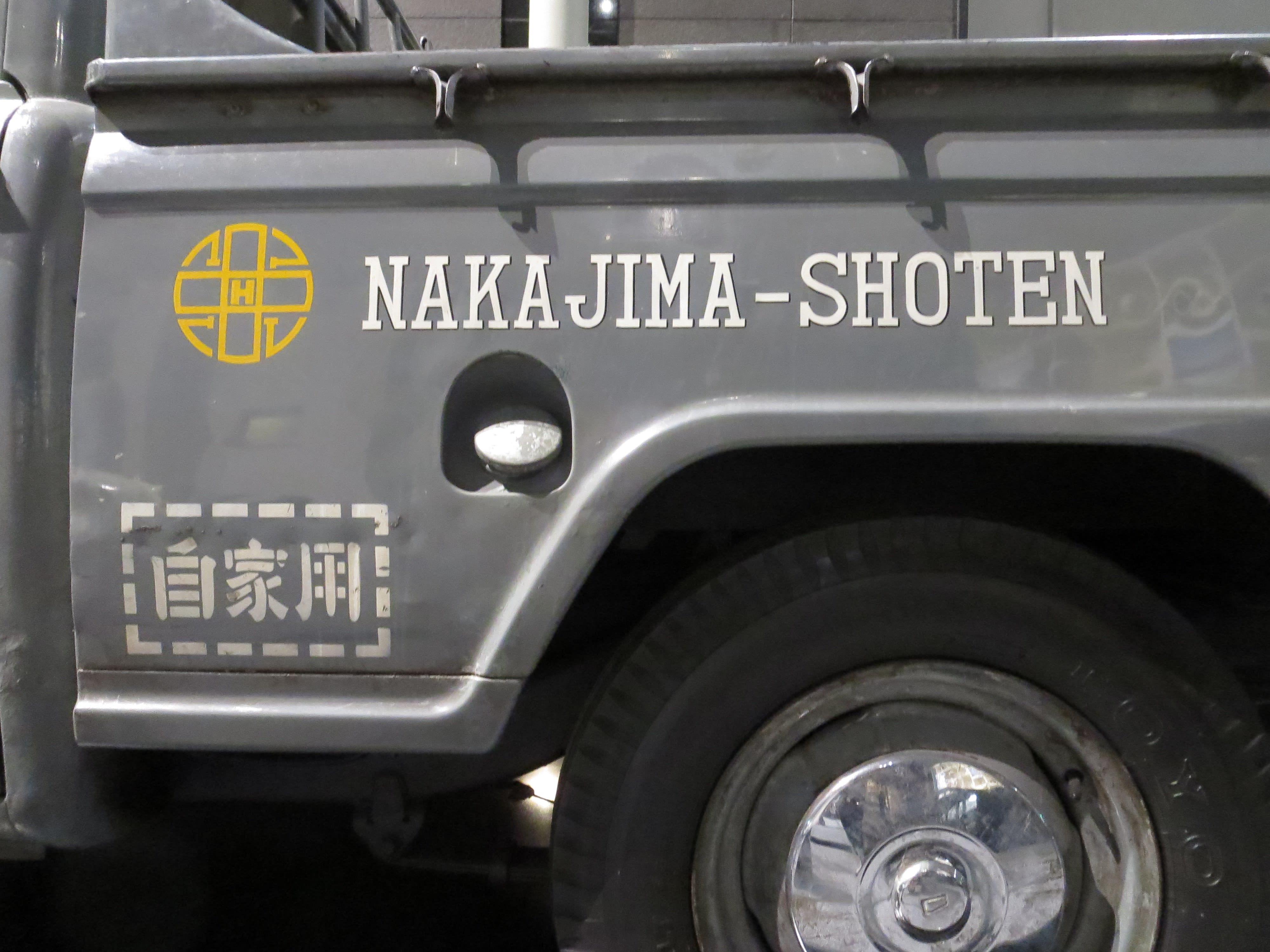
In 1947, Nissan focused on light trucks. Datsun 1000/1200 sedan entered the California market in 1958, and Nissan Motor Corporation U.S.A. was established in 1960.
Isuzu
In 1916, Tokyo Ishikawajima Shipbuilding and Engineering Co., Ltd. and Tokyo Gas and Electric Industrial Co. came together to build automobiles in collaboration with UK’s Wolseley Motors Limited.
Working with the Yasuda zaibatsu, Tokyo Motors manufactured heavy duty trucks and passenger buses for imperial Japan.

In 1949, the company was rebranded Isuzu Motors—after the Isuzu River 五十鈴川 (fifty bells) in Mie prefecture and continued to focus on truck and bus production in the 1950-60s reconstruction decades.
Mazda
In 1920, Jujiro Matsuda 松田 重次郎 took control of Toyo Cork Kogyo Company in his hometown in Hiroshima.
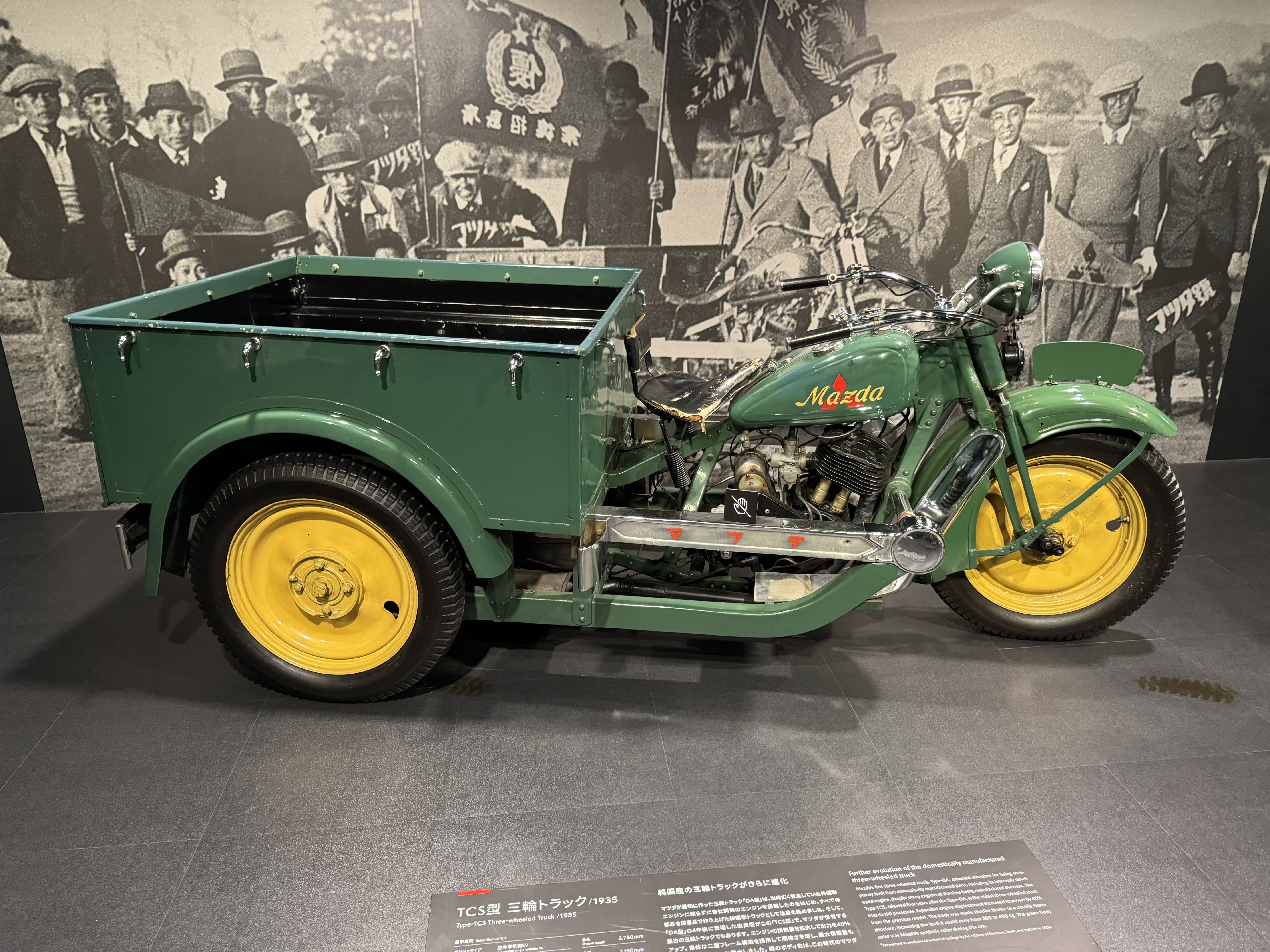
As the market for artificial cork plummeted, Matsuda switched to manufacturing machine tools and three-wheeled trucks in the 1930s, and weapons, including Type 99 rifles during World War II.
The plant’s physical location has been most fortuitous. The factory has its own port at the mouth of the Enko River. And it was shielded by a mountain separating the plant from the atomic bomb epicenter just three miles away.
In 1950, Toyo Kogyo sponsored the Hiroshima Toyo Carp baseball team – which the Matsuda family still owns.
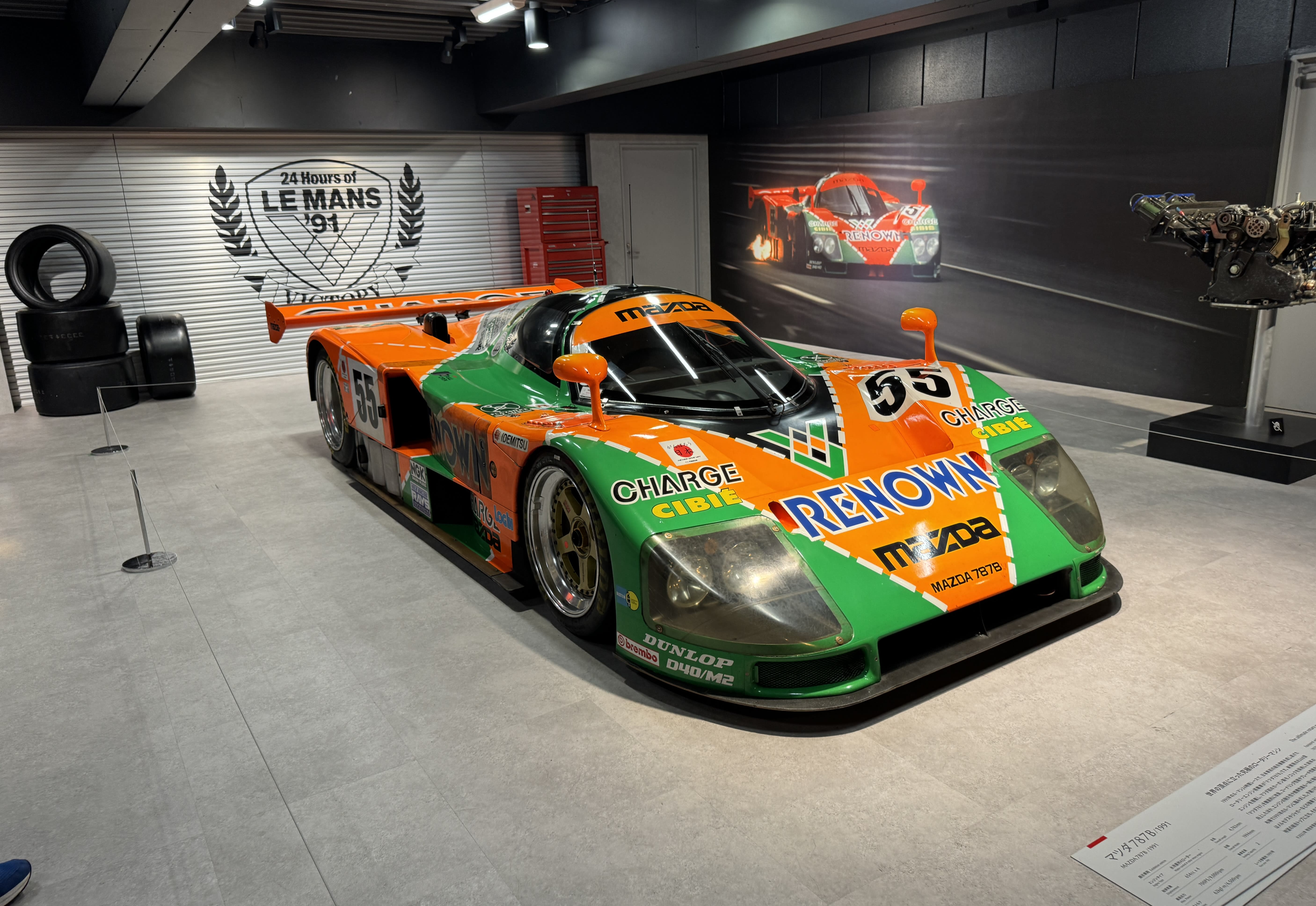
In 1979, Ford Motor Company took a 25 percent equity stake in Mazda, but sold it in 2015.
Mazda has since formed partnerships with Toyota, Nissan, Isuzu, Suzuki and Kia.
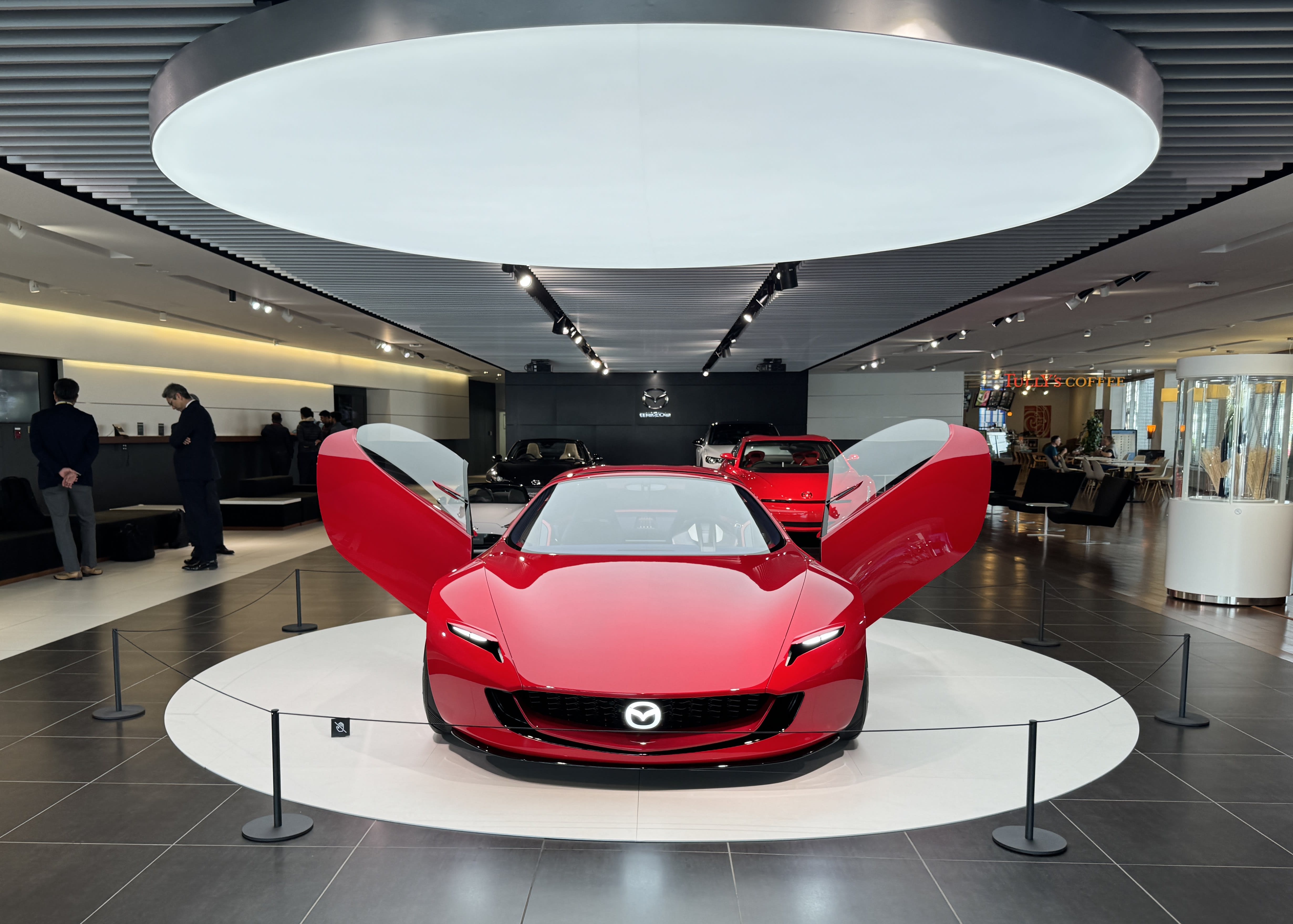
In 2023, it produced 1.1 million vehicles globally. Interestingly, Sumitomo Corporation collaborated with Mazda to build MMVO—Mazda de Mexico Vehicle Operation in Salamanca, Guanajuato, Mexico in 2014.
MTMUS—Mazda Toyota Manufacturing in the U.S.—was established in 2021 in Huntsville, Alabama.
Honda
Soichiro Honda’s 本田 宗一郎 story reflects a favorite theme of naughty-boy-turn-success.
He was born in 1906 in Shizuoka where his father ran a bicycle repair shop. At 15, he ran off to Tokyo and began sweeping the floors at a mechanic’s shop. He was passed up by conscription as he was color blind. In the late 1930s, he was producing piston rings for Toyota Motors as well as for Navy warships and warplanes.
Under General MacArthur’s 1940s occupation, Japan was restricted from producing more than 1000 trucks and 350 passenger cars per year.
Honda focused on motorized bicycles, and in 1949, motorcycles. Honda focused on precision in his mass production assembly lines.

He regretfully admitted to coercing and even slapping his employees. He is aptly thought of as the “Japanese Henry Ford”.
In March of 1954, he wrote a public letter declaring that his company would enter – and win – the dangerous 37-mile Isle of Man Tourist Trophy (TT) race for motorcycles.
Honda won it in 1961.

From humble roots, Honda became a 50 billion-dollar, multinational corporation. Today, Honda is involved in artificial intelligence, robotics research, and aerospace aircrafts.
Toyota
In 1924, Sakichi Toyoda’s 豊田 佐吉 breakthrough was to revolutionize textile production with his high-speed power loom.
His Toyoda Automatic Loom Works in Nagoya was tied to Mitsui zaibatsu. Toyoda implemented jidoka 自働化 - autonomous automation – such that the power loom would stop itself when a problem arose.
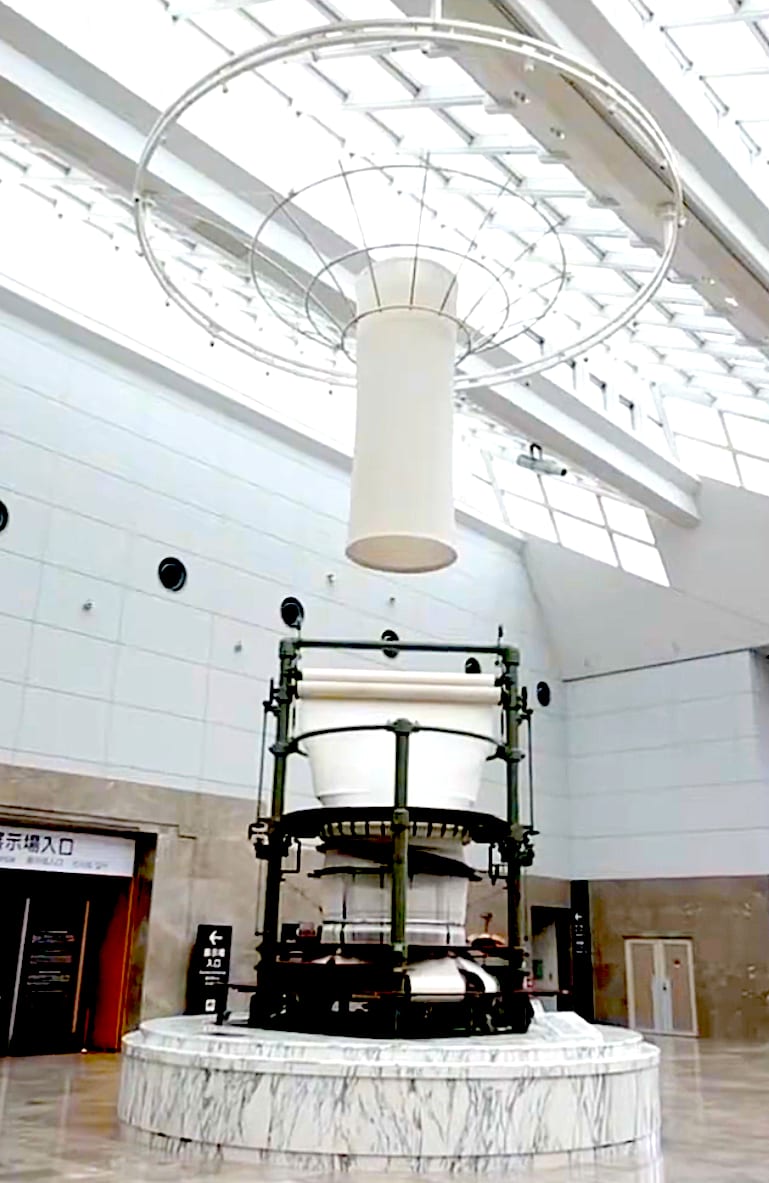
This jidoka principle was important to future Toyota development.
Sakichi’s son, Kiichiro 豊田 喜一郎, visited England and San Francisco to learn more about industrial spinning and weaving.
Kiichiro married the daughter of the co-founder of Takashimaya department store.
It was Kiichiro who encouraged his father to focus on moving vehicles.
By 1933, Toyoda had an automobile department. In 1935, Toyoda introduced its first commercially available automotive vehicle, the Model G1 truck.
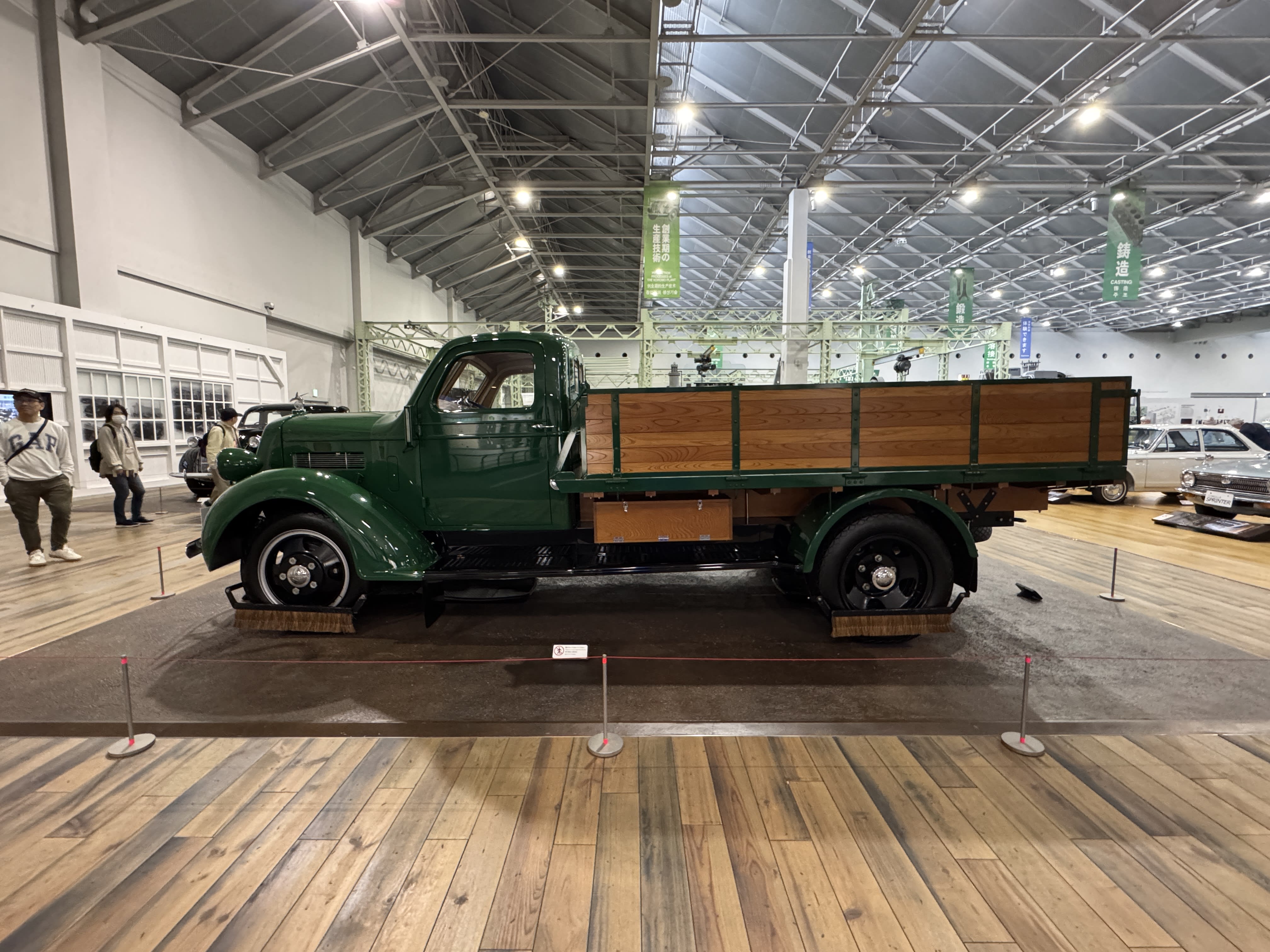
By 1936, Toyoda introduced the Model AA passenger sedan and in 1937, Toyota Motor Company became a separate entity.
Kiichiro changed the name for luck and branding as in Japanese Katakana, “Toyota” is a luckier eight calligraphy strokes while “Toyoda” is ten strokes.
But in 1946, Kiichiro introduced the Toyota sewing machine, perhaps a nod to Toyoda’s textile heritage.
The sewing machine – like their cars – are reliable at a lower price point.
Like the other automakers in WWII, Toyota switched to wartime production—focusing on trucks, light vehicles, amphibious vehicles, and aircraft engines.
Toyota had 3000 employees at the end of WWII, but could not meet payroll as the country struggled with postwar inflation, lack of supplies, and general morose.
After the 21st round of collective bargaining in a fierce labor struggle, Kiichiro resigned in 1950 with other top management. Toyota built jeeps for the American forces in the Korean War.
The fifth president of Toyota Motors will be Eiji Toyoda 豊田 英二, Kiichiro’s younger cousin and protege.
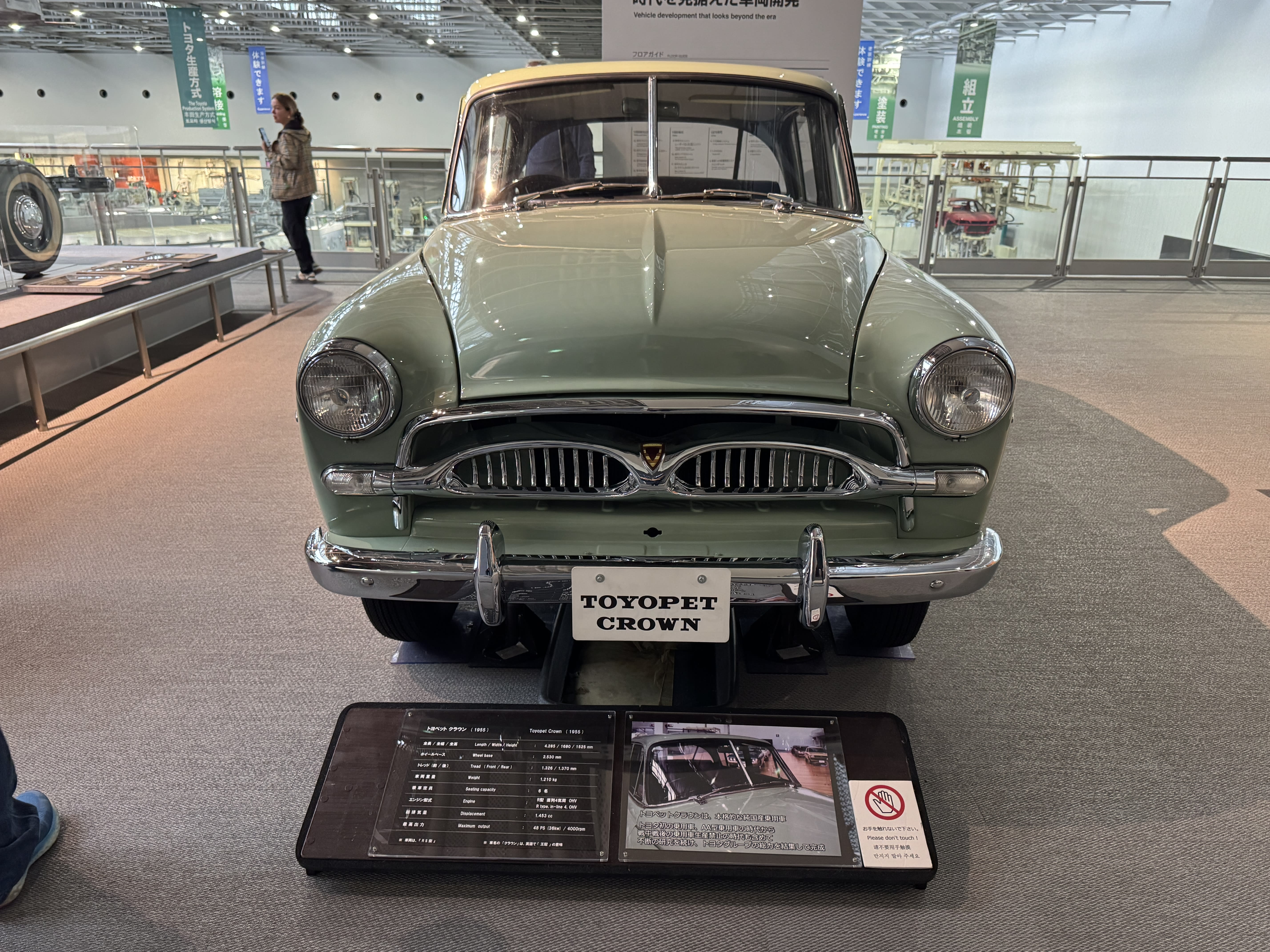
In 1958, Eiji introduced the Toyota Toyopet Crown to the U.S. market. When Toyota first introduced the Toyopet Crown in the U.S. back in 1958, reviewers deemed it too heavy, too slow (23 seconds in the quarter mile), with poor handlings. Only 287 un its were sold by the end of 1958, leading to a suspension of exports in 1960.
Much more success was seen with the compact Toyota Corona in 1965 and later with the Corolla in 1966 (introduced in the US in 1968).
Today, the Toyota Corolla is considered the best-selling car in history, with over 50 million units sold since its inception.

Eiji served as president then chair from 1967 to 1994, bringing Toyota into the global giant that it is today.
What’s Past is Prologue
The Meiji Revolution brought forth a new hierarchical system leading to the evolution of zaibatsus. This industrialization provided the foundation for Japan’s colonial aggression culminating in WWII.
After their loss in 1945, the Allied Occupation and the ensuing Korean War helped Japan reindustrialize in the post-occupation period.
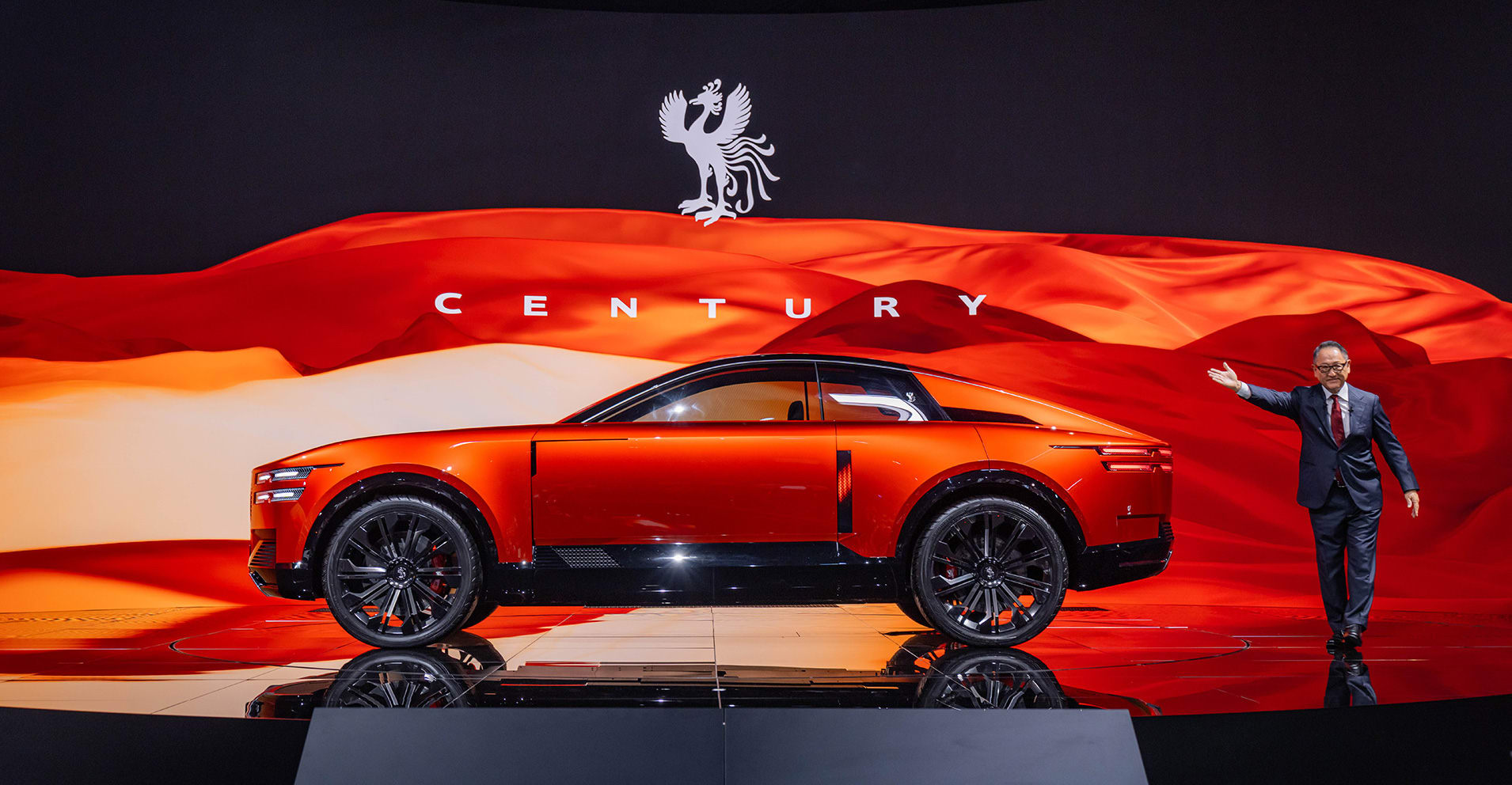
In 2025, Toyota announced the Century as a new brand for the select, super-rich population. Toyota’s Lexus line now fits between the Century and Toyota lines. Above: Toyota Chairman of the Board Akio Toyoda introduces the Century Coupe Concept at the Japan Mobility Show (Toyota Motor Company image).
Japanese automobile conglomerates were ambitious, technological visionaries, and had a labor force like no other. Their global dominance is based on a reputation of fuel efficiency, reliability and innovation.
Roy Nakano contributed to this report.
Top Automotive Museums & Hot Spots in Japan
The best car museums in Japan offer a deep dive into automotive history, featuring top collections from Toyota, Nissan, and Mazda, mostly located in Aichi, Yokohama, and Hiroshima.
Key highlights include the comprehensive Toyota Automobile Museum, the rare race cars at the Nissan Heritage Collection, and the rotary engine focus at the Mazda Museum.
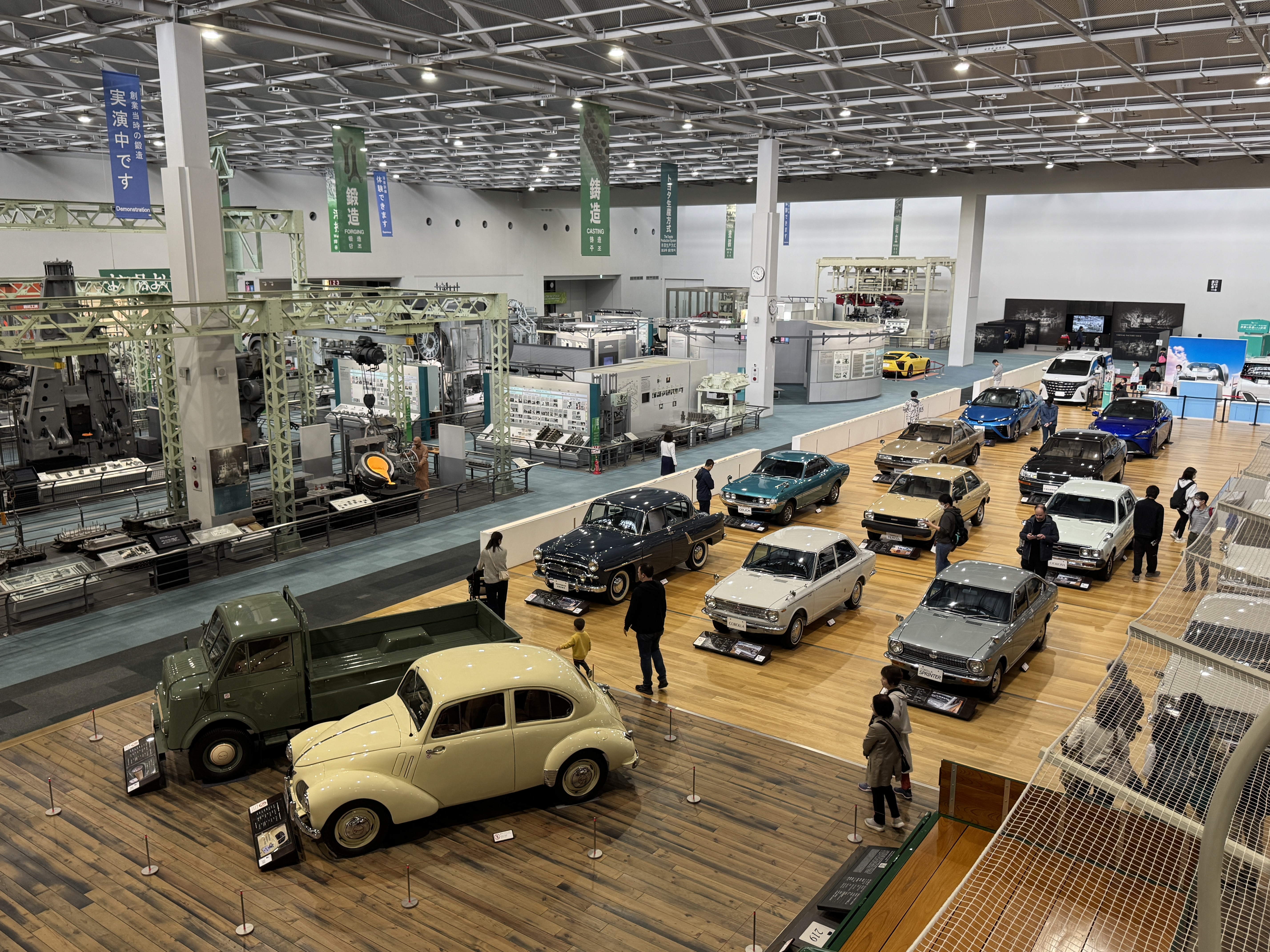
Top Automotive Museums & Collections
· Toyota Automobile Museum (Nagakute, Aichi): Often considered the best, it showcases the global evolution of automobiles with over 140 cars in roadworthy condition.
· Toyota Commemorative Museum of Industry and Technology (Nagoya, Aichi): Focuses on the company's origins and technological innovation.
· Nissan Heritage Collection (Zama, Kanagawa): A "crown jewel" featuring hundreds of historic Datsun/Nissan vehicles, including race cars (reservation required).
· Mazda Museum (Hiroshima): Highlights rotary engine history and includes a production line tour.
· Honda Collection Hall (Motegi, Tochigi): Located at Twin Ring Motegi, it displays a vast history of Honda cars and motorcycles.
· Motorcar Museum of Japan (Ishikawa): Houses a massive collection of over 500 cars.
· Shikoku Automobile Museum (Kochi): A smaller, specialized museum featuring rare classic cars.
Many factory museums (like the Mazda Museum and Nissan's Zama collection) require advanced bookings, so check their websites for further details.
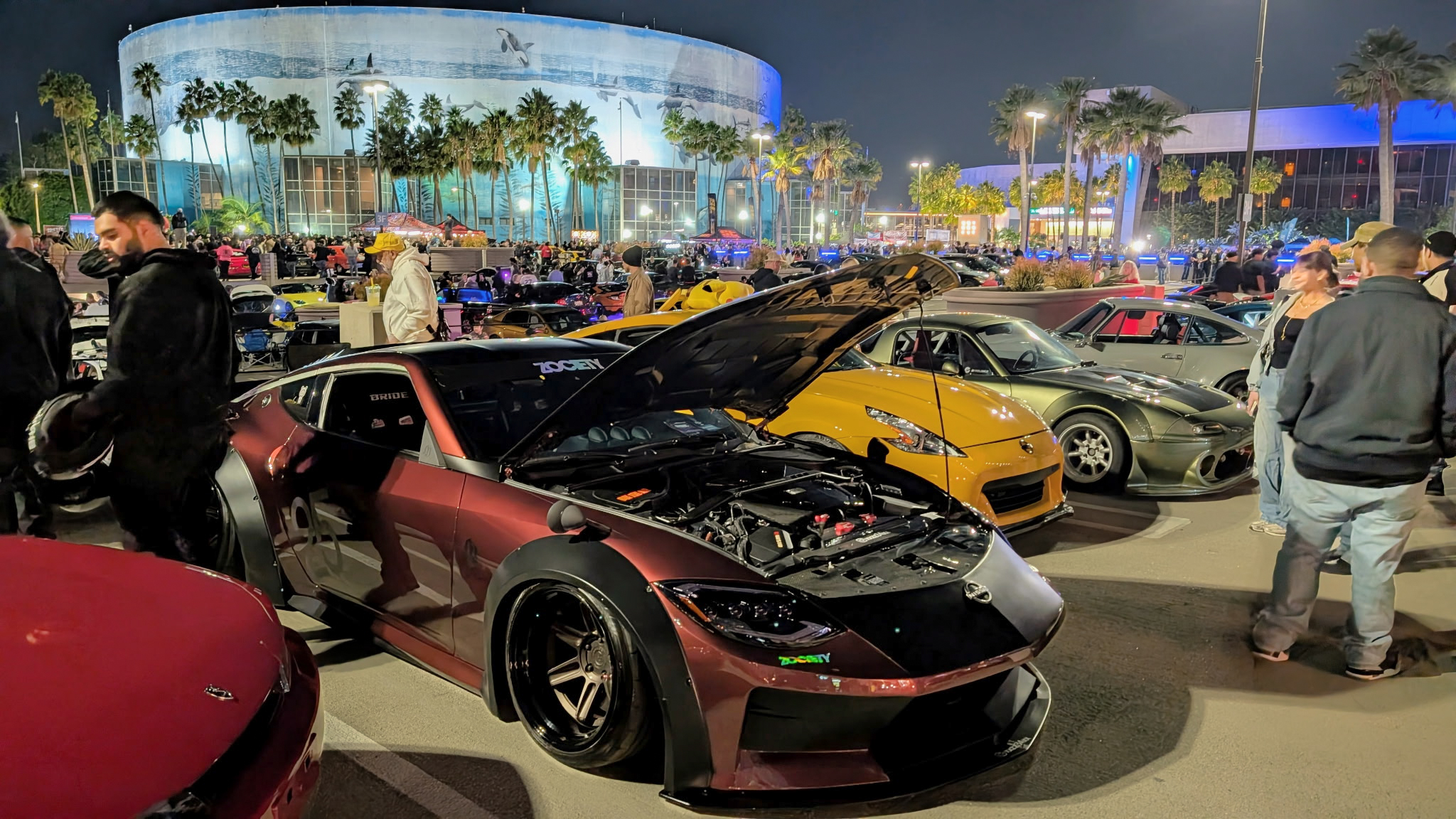
Automotive Hot Spots for Enthusiasts
· Daikoku Parking Area (Yokohama): A world-famous hub for car culture, bringing together customized JDM, vintage, and supercars.
· Nissan Global Headquarters Gallery (Yokohama): A modern space to see current Nissan models.
· Toyota Kaikan Museum (Toyota City): Focuses on manufacturing technology and current Toyota models.
· Yamaha Motor Communication Plaza (Iwata, Shizuoka): Showcases Yamaha's motorcycle and engineering history.
· Tsutaya T-Site (Daikanyama, Tokyo): A stylish bookstore with a strong automotive section that hosts weekend morning car meets.
About The Author

Susie Ling is an Associate Professor (retired) in the Social Sciences Division of Pasadena City College, where she taught history. In addition to amassing hundreds of oral histories in the Southern California region, she's been a long-time contributor to LACar - with articles spanning from vehicle reviews to book reviews to historical insights about Los Angeles and other automotive venues.