Software-Defined Cars: The Remote Tech Careers Behind Today’s Vehicles
Vehicular Tech is here to stay
Walk through any Southern California car meet and you will hear the usual talk: horsepower, wheels, paint, the latest build. Open the settings menu on a newer car, though, and a different story appears.
By The Editors
Tue, Nov 3, 2026 05:18 AM PST
Featured image by Patrick Langwallner.
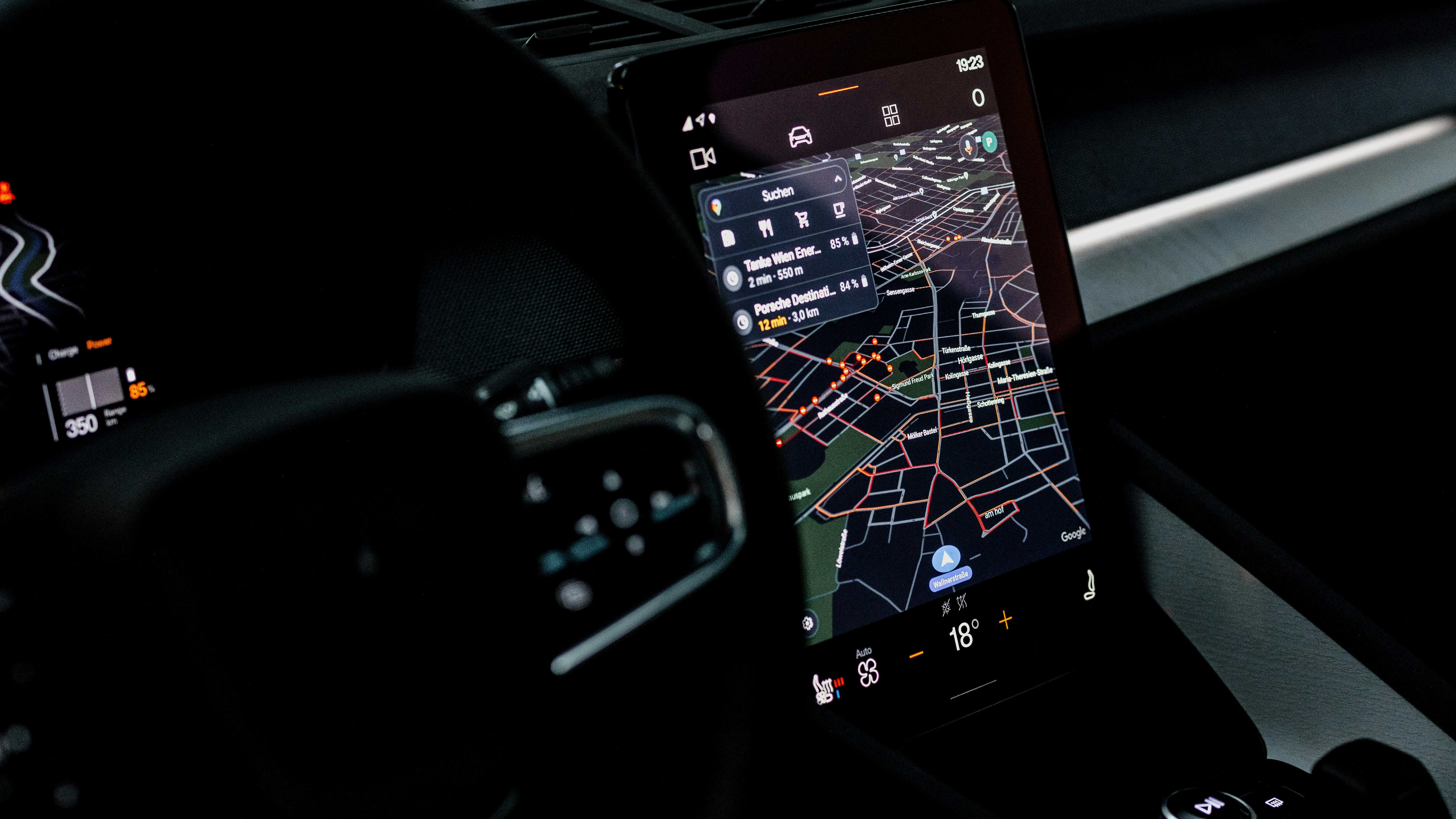
Today’s vehicles run on an enormous amount of code, receive updates over the air like a smartphone, and connect to apps, charging networks, and cloud services. The car is still a machine, but it is also a software platform, and the people who build and protect that platform are shaping what driving looks like for everyone.
What “Software-Defined” Means for Drivers
A software-defined car is one where many features, from the infotainment screen to driver assistance and battery management, are controlled and improved through software rather than fixed hardware alone. For drivers, the most visible sign is the over-the-air update: a notification, a short wait, and the car gains a fix or a feature. It is convenient, and it is also a reminder that the vehicle now behaves like a connected computer. In its cybersecurity guidance for the industry, NHTSA describes modern vehicles as cyber-physical systems, which means a software weakness can affect safety, not just convenience.
Why Security Became a Car Issue
Connectivity creates new ways in. Cellular and Wi-Fi links, phone apps, back-end servers, diagnostic ports, and aftermarket devices all form part of a vehicle’s attack surface. NHTSA’s non-binding guidance recommends treating networks outside the vehicle as untrusted, separating wireless-connected systems from safety-critical controls such as braking and steering, signing firmware so unauthorized code cannot run, protecting over-the-air updates end to end, and using qualified testers who were not part of the development team. It also points manufacturers to the ISO/SAE 21434 standard for cybersecurity engineering across a vehicle’s lifecycle.
What It Means for Tuners, Shops, and Aftermarket Fans
Southern California’s car culture runs on modification and independent repair, so this conversation matters here more than most places. The same guidance asks manufacturers to authenticate third-party devices connected to a vehicle, such as insurance dongles, and to control which diagnostic tools can reach vehicle systems. It also says strong protections should not unduly restrict third-party repair services authorized by the vehicle owner, while admitting that balancing serviceability and security is not easy. Expect more signed firmware, more authenticated diagnostic access, and an ongoing debate about how much room owners and independent shops keep.
The Tech Careers Behind the Dashboard
Behind every update and feature sits a set of roles that look more like a software company than a classic assembly line. The table shows where remote work typically fits.
| Role | What They Work On | Remote-Friendly? |
| Application security engineer | Threat modeling, code review, and vulnerability triage across vehicle apps, back-end services, and update pipelines | Largely remote |
| Embedded and firmware engineer | Code running on electronic control units | Hybrid, needs hardware benches |
| Software QA and test engineer | Regression testing of apps, cloud services, and releases | Largely remote |
| Cloud and back-end engineer | Services that connect vehicles, apps, and charging | Largely remote |
| Vehicle integration and validation | Hardware-in-the-loop rigs, test tracks, and road testing | Mostly on-site |
Application security is a good example of work that travels well. Reviewing code, mapping threats, and triaging vulnerabilities happens in repositories, tickets, and video calls, which is why many security teams are distributed. For engineers exploring remote application security engineer jobs, the connected-vehicle world is one of several sectors where the same skills apply, alongside fintech, healthcare, and enterprise software. The U.S. Bureau of Labor Statistics expects demand for software developers, QA analysts, and testers to stay strong, pointing to the growth of software for AI, the Internet of Things, and automation, and to the rising number of products that run software, including connected devices and electric vehicles.
NHTSA also encourages manufacturers, suppliers, and universities to work together on workforce development in automotive cybersecurity, a sign that the industry treats talent as part of the safety equation.
Why Southern California Still Matters
None of this makes the region less important to the car world. Southern California has long been home to automaker design studios, U.S. offices, suppliers, and EV startups, and California’s high EV adoption makes it a visible proving ground for connected vehicles. What changes is where the engineers sit. A team improving the software in a car on the 405 may be spread across several time zones, working from home offices as easily as from a studio in the L.A. area.
Conclusion
The next great car story may start in a code review as much as in a design studio. For drivers, the practical takeaways are simple: keep your software updated, choose aftermarket devices carefully, and remember that the people behind your car now include security engineers and testers you will never meet. For anyone with the right skills, it is a field where the route to work does not have to involve a commute.