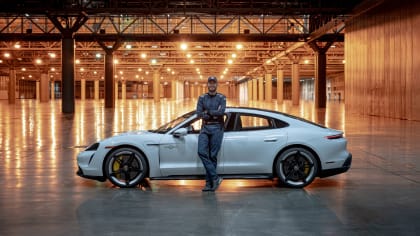
Creating Strong Vehicle Displays With 20x20 Trade Show Booths

What can we learn about car displays to make our auto show visit even better?
The trade show reps consider a lot when creating their booths - here are some concepts you might not know about.
By The Editors
Sun, Aug 23, 2026 08:58 AM PST
Featured image by Khanh Nguyen.
While the show car can draw traffic to the location, the company's exhibit will decide the level of recognition visitors will have for the brand and the model. A good structure will allow the vehicle to have enough room and graphics, lighting and digital content will help to explain features which may not be apparent at first sight. With a 20 x 20 size, the vehicle will occupy 400 square feet, there will be 200 square feet for paths for visitors and staff, and 160 square feet for product information and staff conversation.
Plan the 20x20 Booth Around the Vehicle Display
A vehicle should be the main element of an automotive exhibition booth, so its position needs to be decided before other equipment. Take measurements of the vehicle, and inspect the booth size as well as the travel path of the vehicle from the loading area to the location. Doors, corridors, lift and hall entrances may impact delivery, and this should be checked with the venue prior to delivery.
After determining the vehicle position, design the path for the visitors around the vehicle. There must be sufficient space for people to come up to the vehicle, to see from various angles, and to avoid blocking any aisles in the booth.
Then assign space for the supporting elements:
- brand graphics;
- feature displays;
- screens;
- staff storage;
- visitor conversations.
The layout should also be in accordance with the rules set by the organizer of the event with respect to vehicle display, access, height, electrical equipment and fire safety.
Create a Clear Visual Focus Around the Vehicle
The vehicle should remain the strongest visual element in the booth. Large graphics can support it, but they shouldn't compete with its shape, color, or key design details. This is especially important for new models where the exterior itself is a major part of the presentation.
Place the brand name and main message where visitors can see them from the aisle. A large wall behind the vehicle can provide a clean background for the logo, model name, campaign image, or short product statement. Keep the amount of text limited. Visitors should understand the basic message without stopping to read a long block of copy.
For 20x20 trade show booths, the extra floor area allows the vehicle to sit away from the booth edges while still leaving room for supporting displays. This creates better sightlines and gives visitors space to walk around the vehicle.
Use a simple visual order:
- Brand — identify the company.
- Vehicle — make the main model the focus.
- Key feature — explain the main reason to look closer.
- Next step — invite visitors to explore, ask questions, or request information.
Color and typography should follow the automotive brand's established guidelines. Consistency between the booth, vehicle graphics, staff materials, and digital screens makes the display easier to recognize.
Lighting can also help establish the focus. Use it to show the vehicle's exterior lines and important areas rather than making every surface equally bright. Avoid light that creates strong reflections on glass or polished paint.
The final test is simple: stand several metres away and look at the booth as a visitor would. If the logo, vehicle, and main message are easy to identify, the visual hierarchy is doing its job.
Use the 400-Square-Foot Space for Different Vehicle Features
With a 20×20 booth, the automotive brand has more options than a smaller exhibition booth space, as it creates 400 square feet. The objective is to partition the space based on visitors' needs, rather than trying to stuff it full of furniture and equipment.
The vehicle needs to be surrounded by enough clearance to view at various angles to allow for viewing. Leave space if the doors or vehicle trunks must be opened for people to stand around without interfering with the main path.
Details that can't be seen from the outside can be explained in a separate feature area. For instance, a display panel or screen may display information regarding the interior of the vehicle, a power system, driver assistance systems, connectivity, and/or other characteristics. The specific features should be the same as the one being demonstrated.
It may be useful to use a layout that includes:
- Vehicle zone: the main model and space for viewing it.
- Feature box: product information and visual explanations.
- Digital zone: screens, interactive content.
- Conversation area: an area for staff to address in-depth questions.
- Storage area: a secret place to store supplies and personal items.
Interior views, short videos, technical diagrams or other model information can be displayed on digital screens. Place them out of the way of the vehicle or do not block access to the site for visitors.
If visitors are expected to get in or out of the vehicle, schedule this time as its own activity. Doors must be clear and staff should be able to help without building up a queue in the main aisle.
Two cars can be accommodated in a 400 square foot area, if there is a good reason for the second car. Close proximity of two cars can affect visibility and the ability of the booth to be easily navigated. A nicely done car can often say more than a bunch of cars trying to really make a statement.
Another consideration is storage. There should be a place for brochures, bags, cleaning items and staff items. These items will help to keep the event looking clean throughout, when kept out of sight.
Do a walkthrough of the booth before finalizing the design, either on paper or with a full size floor plan. Inspect all door swing locations, visitor access paths, display locations and staff rooms. This is a simple test that can detect space issues prior to the vehicle reaching the venue.
Use Lighting to Highlight Vehicle Design
Lighting can change how visitors see a vehicle inside an exhibition hall. A well-planned setup can draw attention to the body lines, wheels, interior, and other important details without making the display look harsh. The aim is not to make the whole booth as bright as possible. Each light should have a clear purpose.
Use focused fixtures to highlight the vehicle's main features. Light placed from different angles can help reduce heavy shadows and make exterior details easier to see. However, polished paint, windows, and chrome parts can reflect strong light, so fixtures should be tested before the event.
The booth's background also matters. A large fabric graphic behind the vehicle can create a clean visual surface and help separate the model from other displays. For brands that need a complete exhibition display solution, https://segsolution.com offers modular fabric display systems that can be adapted to trade show spaces.
When planning the lighting, check the venue's power rules, fixture limits, cable routes, and installation requirements. Keep cables away from visitor paths and make sure all equipment is properly installed.
Use Digital Content to Explain Vehicle Technology
A vehicle can show its exterior design immediately, but many important features aren't easy to understand from the outside. Digital content can explain these details without adding large amounts of printed material to the booth.
A screen can show a short video that explains the vehicle's interior, driver assistance systems, connectivity features, power system, or other technology. Product diagrams can also help visitors understand how a particular feature works.
Keep digital content focused. A visitor may only spend a few minutes at the booth, so long videos or complicated menus can reduce interest. Start with the most useful information and let visitors choose whether they want more detail.
A practical digital setup might include:
- a large screen for the main vehicle presentation;
- a tablet for detailed specifications;
- a QR code for the full product page;
- short videos for key features;
- digital brochures instead of large stacks of printed material.
Place screens where they can be viewed without blocking the vehicle. They should support the physical display rather than become the main attraction.
Content also needs to be accurate. Vehicle specifications, available features, prices, and release dates can change, so the team should review all digital material before the event. If a feature is available only on a particular model or trim, state that clearly.
Good digital content answers questions that visitors may have after their first look at the vehicle. It gives staff a useful starting point for a deeper conversation rather than replacing that conversation.
Add Interactive Areas Without Crowding the Booth
Interactive features can give visitors a reason to spend more time with an automotive display. However, a 20x20 booth still has a fixed 400-square-foot footprint, so each interactive element needs a clear purpose.
A small touchscreen can let visitors explore vehicle specifications, compare models, or view interior options. A demonstration station can explain a particular technology in more detail. If visitors need to use the equipment, leave enough room for them to stand comfortably without blocking the main path.
Keep interactive equipment close to the feature it explains. A screen about the vehicle's interior, for example, works better near the vehicle than at the opposite side of the booth.
Staff should also be able to assist visitors without creating a crowd. Avoid placing several screens, counters, and demonstration points next to one another.
The best interactive area is simple: visitors know what to do, the equipment works reliably, and the activity adds information that the vehicle alone cannot provide.