

Why Some Cars Get Picked Up in 24 Hours While Others Wait a Week
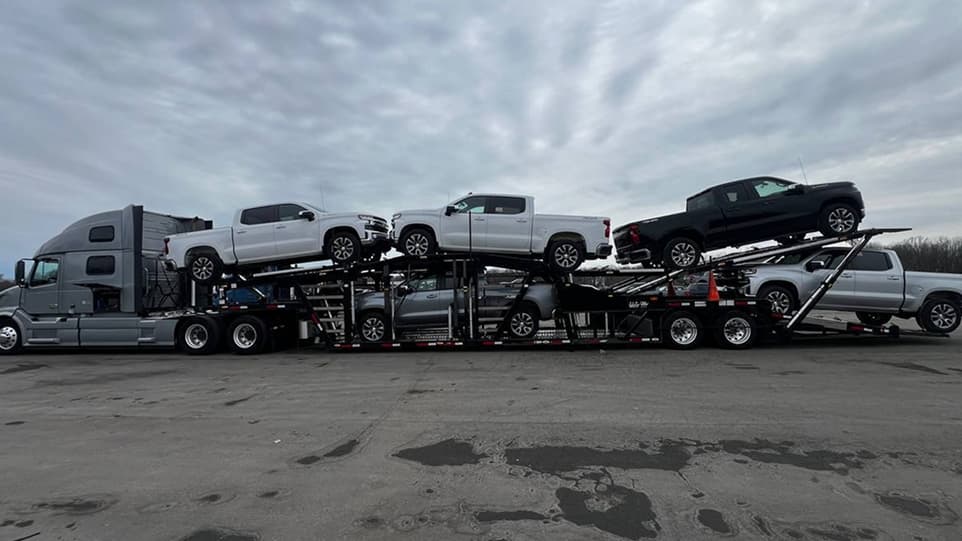
You'll be picking it up when?!
Moving a vehicle from one location to another may seem straightforward, but anyone who has booked auto transport knows that pickup times can vary significantly. In some instances, the trucks arrive at the same time the vehicle is loaded on the carrier, or they may have to wait there for some days or even a week. This difference often surprises first-time shippers, especially those who expect every shipment to follow the same timeline.
By The Editors
Sun, Aug 30, 2026 09:07 AM PST
Actually, there’s a lot more involved in car pickup than just ordering a transport service. Many factors influence how quickly a vehicle is available for a carrier, such as carrier availability, shipping route, vehicle size, seasonal demand, location, pricing, and the weather.
When customers grasp these factors, it can give them a sense of what to expect and help them make informed decisions to increase their likelihood of a quick pickup. If you are moving across the country, buying online, shipping stock for a dealership, or need to move a family car, the scheduling process can be followed to save both time and trouble.
This guide explains the most common reasons why pickup times vary and what vehicle owners can do to improve their chances of getting their car on the road sooner.
How Auto Transport Pickup Scheduling Works
People think that with every vehicle shipping booking they make, a truck right away will be assigned to them. Actually, it’s a much more active process. Most companies in the world that provide auto transport services function in partnership with networks of authorized drivers, which are well tied to roads.
Choosing an experienced car shipping company can also make the scheduling process easier, since established providers typically have access to larger carrier networks.
Carriers do not send a truck just to carry one vehicle, but composite loads, gleaned from getting the biggest load into the largest truck box while keeping the routes efficient.
The common scheduling procedure will involve:
- Customer submits a shipping request.
- Vehicle information is taken up.
- A carrier network is posted.
- Available carriers evaluate the shipment.
- The load is taken by the carrier.
Collecting time is programmed according to route availability.
Since the carriers may carry other vehicles in the same trip, the time of a pickup is determined by the ability to fit the shipment into an existing route.
Why Location Has the Biggest Impact on Pickup Time
One of the major considerations for pickup times is your car’s position. Auto transport companies travel on ordered routes that seek to make the most of a trip and rid the bus of several cars simultaneously. If the pickup point is in accordance with one of these existing pickups, your vehicle has a high possibility of being picked up quickly.
However, other vehicles situated in less developed and isolated areas could spend longer since routes there are not used as often. Many carriers will wait for a sufficient number of shipments in the region before making a long detour just for one shipment.
Major Cities Usually Get Faster Service
In large metros, vehicles are travelling in and out at all times. Carriers often have trailer space for more trucks in these areas, making it viable for them to hire out for transportation.
Cities with quicker pickup times are:
- Los Angeles
- Dallas
- Houston
- Atlanta
- Chicago
- Miami
- Phoenix
- Charlotte
There is a variety of carriers available in these destinations every day, so it is possible to have your pickup arranged in a few days or even within 24 hours.
Rural Areas Often Require More Planning
Vehicles located in rural communities or small towns generally experience longer wait times.
Several factors contribute to these delays:
- Fewer carriers service rural routes.
- Long detours increase operating costs.
- Lower shipment volumes make scheduling less efficient.
- Narrow roads or difficult access may limit carrier options.
In many cases, customers may decrease pickup delay by arranging to meet the carrier at a nearby city or a convenient Truck Friendly Centre, such as a shopping centre or commercial parking lot. The flexibility allows carriers to remain on schedule and offer convenient service.
Accessibility Also Matters
Accessibility does not just affect the speed of pickups, however, even in big cities. Large transport trucks cannot enter residential neighbourhoods safely if the streets are narrow or there are low overhanging trees or parking restrictions.
Carriers may arrange pick-up at another site that provides: to avoid delays:
- Wide turning areas
- Easy trailer access
- Minimal traffic congestion
- Safe loading conditions
Different pick-up dates can also reduce the total pickup time if it is flexible regarding pick-up sites.
Pricing Can Influence How Quickly Your Vehicle Is Picked Up
Many customers don’t realize that shipping price directly affects carrier interest. Transport marketplaces allow carriers to choose shipments that fit both their routes and operating costs.
When a shipment offers a competitive market rate, it is more likely to attract attention quickly.
On the other hand, pricing significantly below current market conditions may result in fewer carrier offers.
Pricing is influenced by factors such as:
- Distance
- Fuel costs
- Route popularity
- Seasonal demand
- Vehicle size
Offering a realistic shipping price often leads to faster carrier assignment.
Popular Routes Move Much Faster
Not every shipping route is used equally. A handful of interstate roads see thousands of cars crossing their borders monthly.
Examples include:
- California to Texas
- Florida to New York
- Illinois to California
- Arizona to Washington
- Texas to Florida
Those corridors tend to be going up and down regularly, so new loads can be loaded on in short order. Other routes may be less common and will need more advanced preparation before a carrier is available.
Seasonal Demand Changes Everything
The time of year has a major impact on vehicle transport scheduling.
Summer Is the Busiest Season
Summer often brings increased demand because of:
- Family relocations
- College moves
- Military transfers
- Vacation travel
- Dealership inventory movement
More customers compete for available carrier space, which may increase pickup times.
Winter Weather Creates Delays
Snow, ice, and severe weather can reduce carrier availability in northern states.
Weather-related challenges include:
- Road closures
- Slower travel speeds
- Route changes
- Safety restrictions
Even if your vehicle is ready, severe weather may delay truck schedules. For current roadway and weather conditions, the Federal Highway Administration provides transportation updates and travel resources.
Vehicle Size and Type Matter
Not every vehicle occupies the same amount of trailer space. Larger vehicles reduce the number of automobiles a carrier can transport during one trip.
Vehicles that may require additional planning include:
- Full-size pickup trucks
- Large SUVs
- Cargo vans
- Lifted trucks
- Commercial vehicles
Modified vehicles with oversized tires, roof accessories, or lowered suspensions may also require special loading considerations. Compact sedans generally fit more easily into standard carrier loads.
Flexible Pickup Windows Improve Scheduling
Customers sometimes request very narrow pickup windows. For example:
- Pickup only on Friday afternoon
- Pickup before 10:00 a.m.
- Pickup after business hours
These restrictions reduce scheduling flexibility. Providing a pickup window of several days gives carriers more opportunities to coordinate the shipment with existing routes. Greater flexibility often results in:
- Faster assignment
- More carrier options
- Reduced scheduling conflicts
Carrier Availability Changes Every Day
Unlike scheduled airline flights, vehicle carriers constantly adjust routes based on demand. A truck that was unavailable yesterday may suddenly have room after making a delivery nearby.
Carrier availability changes because of:
- Completed deliveries
- Cancelled shipments
- Route adjustments
- Additional customer bookings
This is why pickup estimates often remain flexible until a carrier officially accepts the shipment.
How Weather and Traffic Affect Carrier Schedules
Even the best-planned transport schedule can be affected by unexpected events. Common delays include:
- Heavy snow
- Hurricanes
- Flooding
- Wildfires
- Highway construction
- Major traffic incidents
Professional carriers prioritize safety over speed, meaning deliveries and pickups may be adjusted when road conditions become hazardous. The National Weather Service provides reliable forecasts and weather alerts that can impact interstate transportation.
What You Can Do to Get a Faster Pickup
While customers cannot control every scheduling factor, several steps can improve the chances of securing a quicker pickup.
Book Early
Booking several days or weeks in advance provides more scheduling opportunities.
Remain Flexible
Flexible pickup dates allow carriers to fit shipments into existing routes more easily.
Provide Accurate Vehicle Information
Be prepared to share:
- Vehicle make and model
- Running condition
- Vehicle modifications
- Pickup address
- Delivery address
Accurate information helps carriers determine trailer compatibility.
Choose Accessible Pickup Locations
If your neighborhood has narrow streets or low-hanging trees, consider meeting the carrier at:
- Shopping centers
- Large parking lots
- Truck-accessible locations
This can simplify pickup and avoid unnecessary delays.
Common Misconceptions About Vehicle Pickup Times
Vehicle shipping is not what many new customers think it is. Learning the facts could help dispel some of that confusion and make shipping much easier.
Myth 1: Every Vehicle Can Be Picked Up Within 24 Hours
The pickup of some vehicles occurs within 1 day, but this is not a 100% guarantee for all packages. Pickup is subject to the availability of carriers, route demand, weather conditions, and what is picked up.
Your vehicle may be assigned quickly if a carrier is already on the road surrounding your location with room in their trailer. However, should there be no carrier near, a waiting period is completely normal.
Myth 2: More and Faster Always Pays More.
Offering a higher shipping price is not guaranteed to get it done now. While being competitively priced may make the shipment more appealing, it cannot compensate for the inability to adequately move it.
Even if a package is expensive, it can still be delayed if it:
- Severe weather affects travel.
- Carriers are fully booked.
- Rural pickup locations require detours.
- State travel limitations affect schedules.
Pricing is only one part of the scheduling process.
Myth 3: If there’s a delay, something went wrong.
A late pickup doesn’t necessarily mean there is an issue with the shipment. Frequent changes in transport schedules are due to:
- Traffic conditions
- Delivery adjustments
- Route optimization
- Weather events
- Last-minute carrier schedule changes
Professional dispatchers are on duty around the clock to schedule and manage shipments to ensure they are as efficient as possible and safe. A little shuffling around of schedules is common when transporting vehicles interstate.
Myth 4: Auto Transport Companies Own Every Truck
Another widespread, however incorrect illusion is that each situation has a fleet of trucks all across the country.
However, in truth, most businesses are working with vast networks of licensed and insured carriers. This network provides customers with additional scheduling options and routes. Pickup sets are arranged once an adequate carrier accepts the package and according to the carrier’s pickup schedule and route.
Conclusion
Auto Transport is not a regular appointment because it is a highly coordinated process of logistics, which is why various pickup periods are applied to vehicles. The location, route popularity, pricing, availability of carriers, weather, vehicle size, and peak season demand help determine the speed of a shipment.
Some cars may be picked up within 24 hours of arriving, while others may take a few days and need to be picked up by a suitable carrier. Recognizing these factors helps establish reasonable expectations and provides customers with the knowledge to formulate plans that will increase their scheduling potential.
FAQs
Why are some cars picked up within 24 hours while others take a week?
Partially due to the availability of the carrier, the shipping route, location of the pickup, seasonal demand, vehicle size, and flexibility of the window for the pickup, pickup times vary. Cars near active transport, such as along main roads, will be collected much quicker than those in remote areas.
Is vehicle pickup delayed in rural areas?
Yes. In rural areas, fewer people may pass through a location, which can cause longer wait times. In most cases, it is good to meet the carrier at a convenient city or location where a truck may park to pick up to reduce the delay time.
Can I get my car picked up faster if I book early?
Absolutely. By booking 1-2 weeks ahead, dispatchers will have more time to match your vehicle with a carrier. In addition, booking early gives you the flexibility of scheduling your pickup and could result in a faster turnaround.
Is pickup time independent of the type of vehicle?
Yes. If the vehicle size is sizeable, including SUVs, lifted trucks, cargo vans, and specialty vehicles, additional space in the trailer or special equipment may be needed. Consequently, they may require more time for appointments compared to non-sport utility vehicles.