PARKING NIGHTMARES: The Vatican City of Driving
Where Parking Spaces Become Real Estate, Common Sense Takes a Holiday, and Human Behavior Gets Behind the Wheel
By Shahe Koulloukian
Sun, Nov 1, 2026 06:00 AM PST
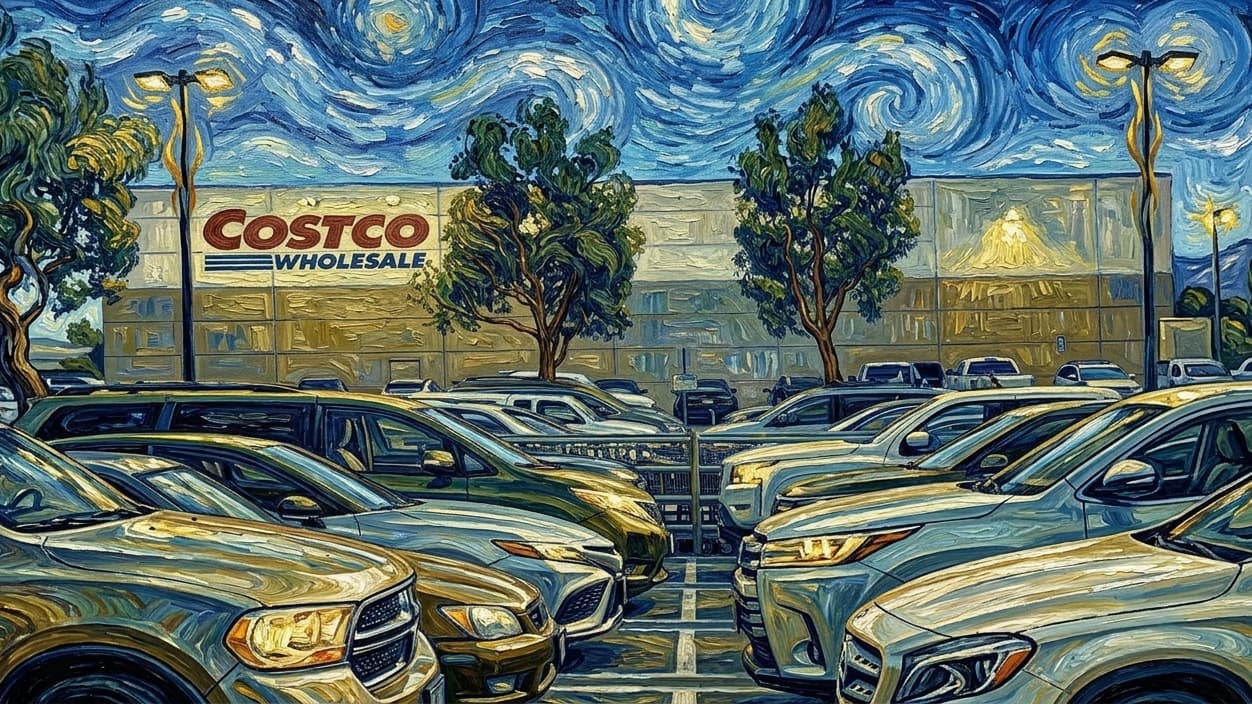
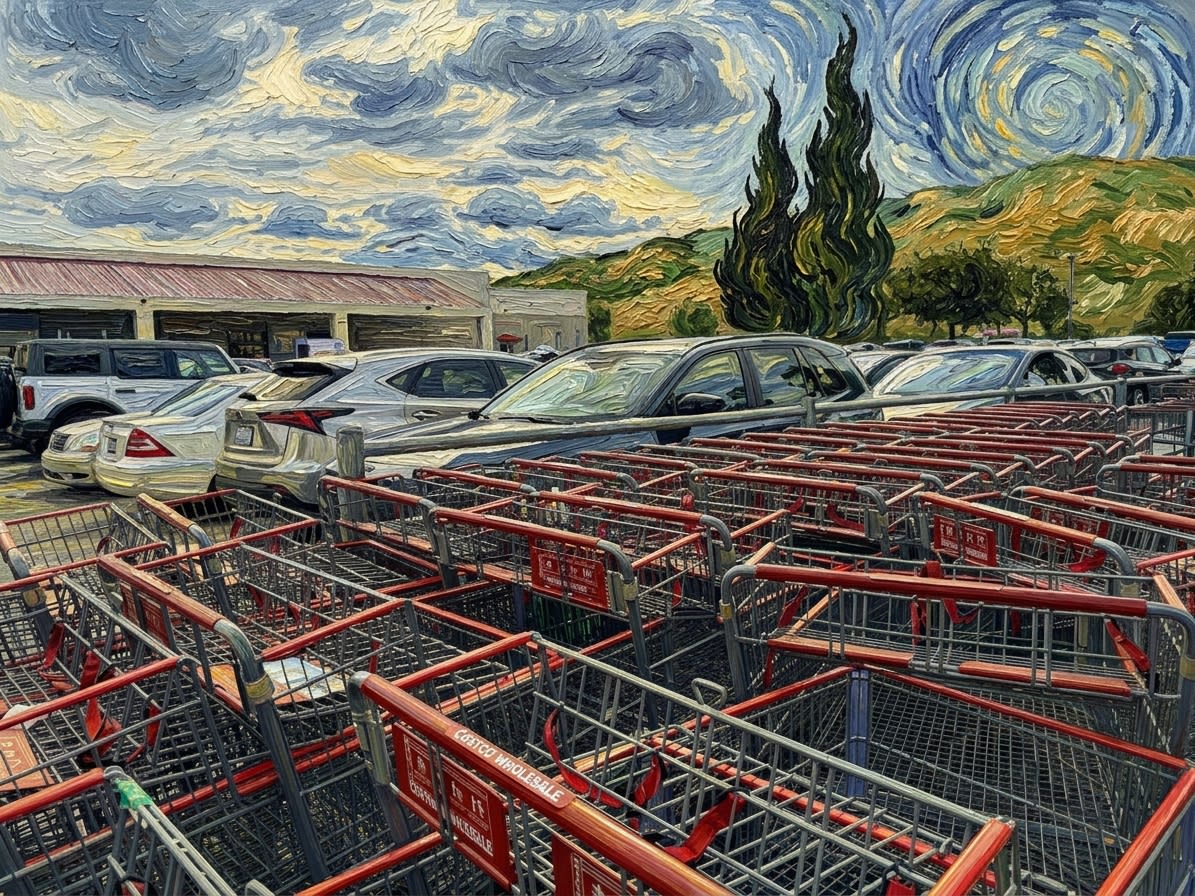
Featured image above: The Costco in Azusa, California (Nakano photograph, with Vincent Van Gogh-esque graphic conversion).
LA CAR CONFIDENTIAL—Somewhere in Los Angeles, a perfectly respectable human being sits in a $75,000 SUV, holding up six other vehicles while waiting for a woman to finish loading groceries into her trunk. She hasn't even started her engine. Her shopping cart is still beside the car, and judging by her phone conversation, she may be negotiating world peace. But our determined SUV driver has committed. That parking space will be his, even if it means celebrating his next birthday behind the steering wheel. Meanwhile, twenty perfectly good spaces sit farther down the row, apparently located in another ZIP code.
Welcome, friends, to one of the strangest territories in the automotive world. A place where patience expires, ordinary people become territorial, and otherwise civilized adults suddenly believe a painted rectangle of asphalt comes with hereditary rights.
I call it the Vatican City of Driving. And if you've ever visited a Costco, Trader Joe's, Target, or just about any shopping center between Burbank and Beverly Hills, you've already crossed its borders. No passport required, although a little common sense would certainly help.
THE BORDER CROSSING NOBODY NOTICES
Los Angeles has a complicated relationship with cars. We spend enough time in them to form opinions about everything from seat comfort to strangers' driving habits. We know the frustrations of the 405, the unpredictable crawl along the 101, and the special kind of optimism it takes to believe a Saturday afternoon errand will actually be quick.
But something interesting happens when we finally leave the street and enter a shopping center parking lot. The atmosphere changes. One moment, you're part of an organized transportation system, however generously we may define organized in Los Angeles: lanes, signals, intersections, and familiar expectations. The next moment, you've crossed an invisible border into a world of shopping carts, delivery trucks, pedestrians, reversing vehicles, and drivers who interpret the rules based on their immediate emotional needs.
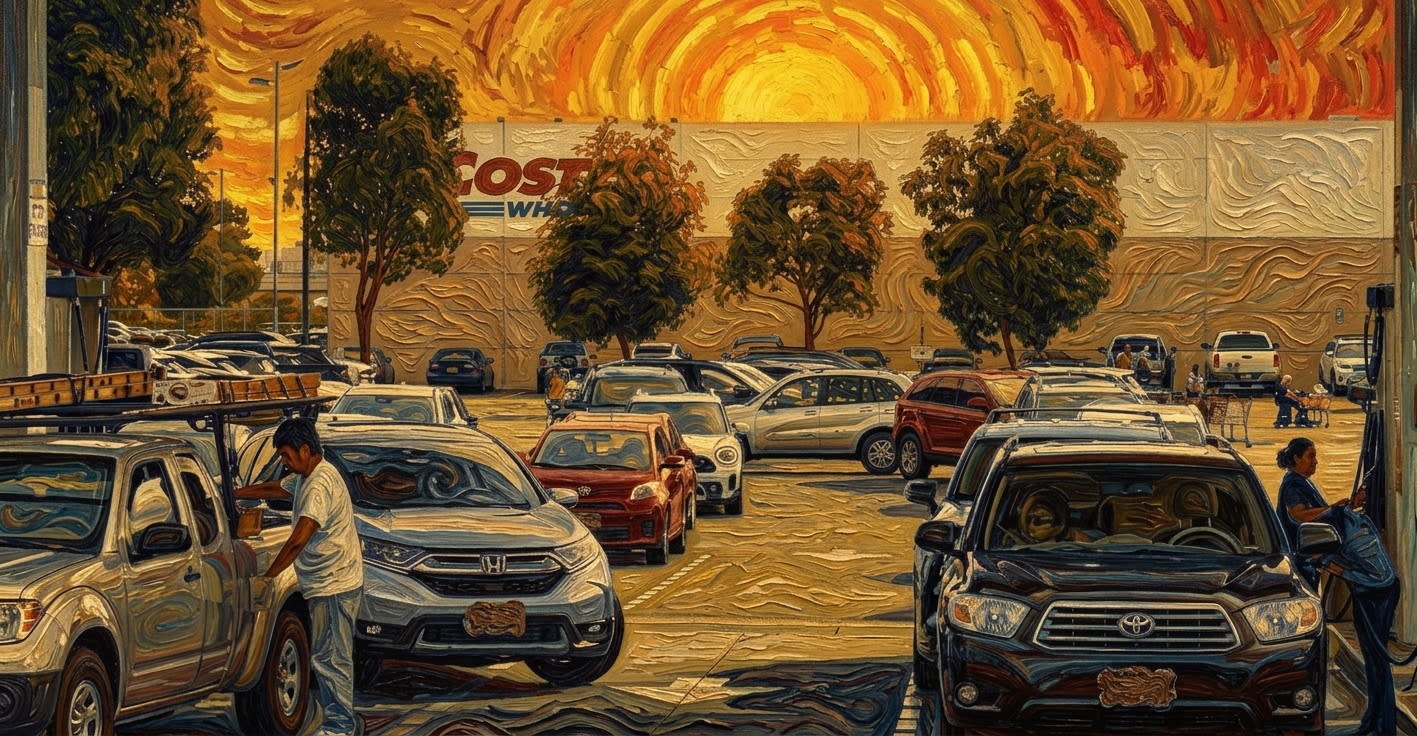
It's practically its own sovereign nation. The currency is parking spaces, the national pastime is impatience, and immigration policy seems based entirely on whether you arrived before the person in the silver Lexus. What interests me isn't the pavement. It's the sudden change in who uses it.
I've spent decades in the automotive industry, working with vehicles and the people who own them. You learn plenty about engines, suspensions, and electrical problems along the way. But spend enough time listening to car owners, and another subject begins to reveal itself: human behavior. And that education doesn't stop when I close the shop for the day. Whether I'm out with my wife, meeting friends, or simply picking up something for dinner, I notice what people do around their cars. Sometimes I even catch myself becoming impatient, because apparently owning a driver's license doesn't make any of us immune to being ridiculous.
THE GREAT PARKING SPACE NEGOTIATION
Consider the parking space. A modest patch of asphalt, temporarily occupied by a vehicle while its owner goes about their business. Nothing particularly emotional about it, until two drivers want it. Now we're watching a property dispute that could use a mediator, two attorneys, and possibly a United Nations representative.
One driver approaches from the east, another from the west. Both spot a space. Turn signals come on, they make eye contact, and then comes that awkward little dance where both cars creep forward as though they're participating in a very expensive mating ritual. Neither wants to surrender, neither wants to look unreasonable, and both have suddenly developed a deeply personal interpretation of fairness.
And the space? It belongs to neither of them.
Perhaps my favorite character is the driver who waits for the closest possible space while an entire section farther away remains empty. Think about that for a moment. We will spend an hour walking through Costco, examining industrial quantities of toilet paper, sampling cheese from a stranger wearing plastic gloves, and convincing ourselves that buying six pounds of almonds is a sound financial strategy. But walk another fifty feet from the car? Absolutely not. We're not training for the Olympics.
I've come to believe that some people don't actually want the closest parking space. They want the satisfaction of winning it. It's no longer about convenience. It's about victory, complete with an imaginary trophy and absolutely nobody applauding.
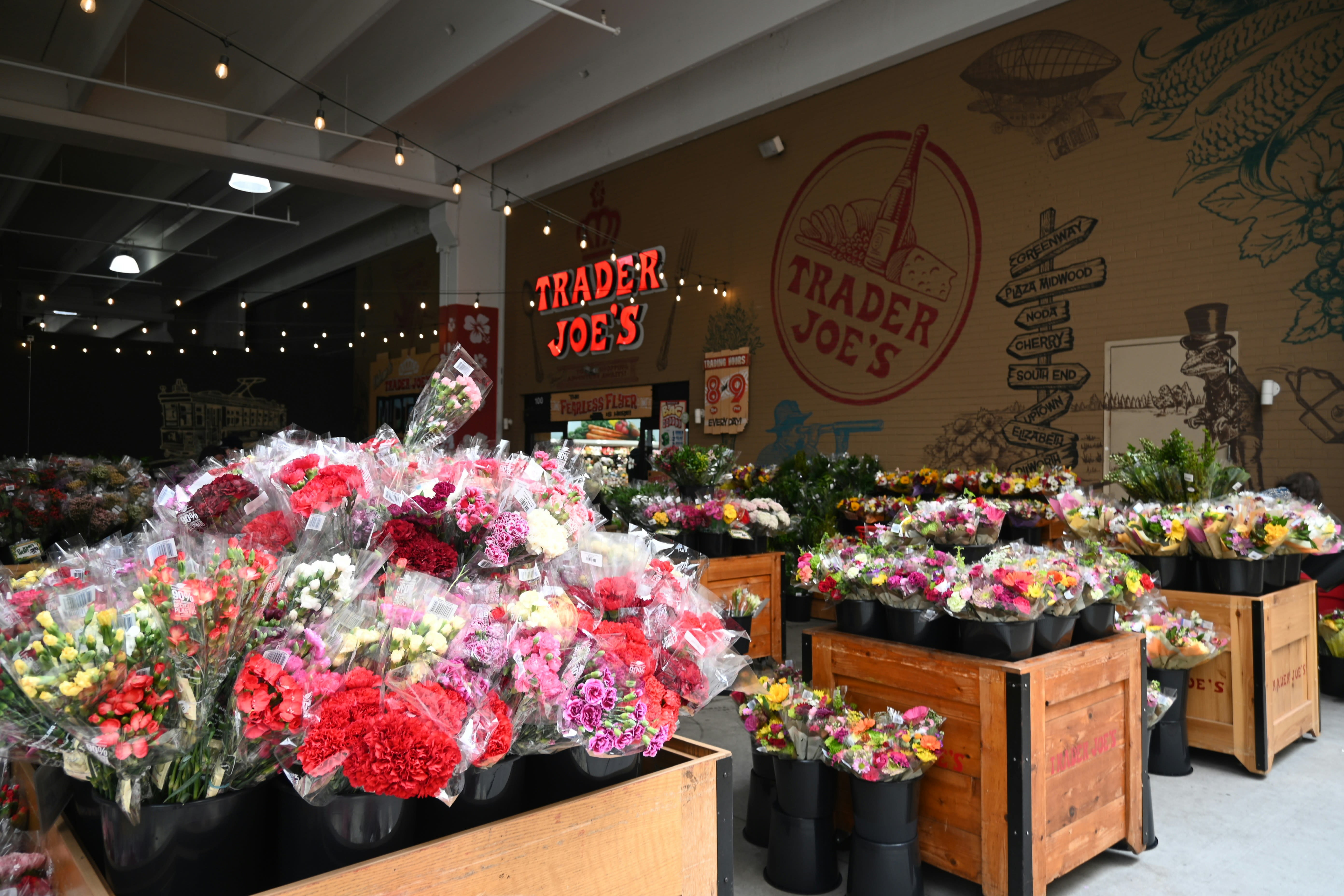
TRADER JOE'S: A MASTER CLASS IN CLOSE QUARTERS
If Costco is the grand theater of parking-lot behavior, Trader Joe's is the intimate performance space where everyone gets a front-row seat, whether they bought a ticket or not.
Everything seems closer—the vehicles, the pedestrians, the shopping carts, and occasionally the side mirrors. You're attempting to navigate a narrow aisle while someone carrying flowers and frozen orange chicken appears between two parked cars. Another driver reverses with tremendous confidence and apparently little interest in what's behind them. A third waits to turn but can't quite decide whether they're yielding or running a psychological experiment.
Nobody appears particularly malicious. Everybody is simply trying to finish their errand. And that may be what makes the scene so interesting. Most parking lot conflicts don't require a villain. Just a few people in a hurry, each assuming their immediate objective deserves priority. The driver wants the space. The pedestrian wants to reach the store. The person backing out wants someone to let them move. The shopper loading groceries wants enough room to open the door without performing yoga.
Everybody has a reasonable need. Trouble begins when we forget everyone else has one too.
PRIVATE PROPERTY IS NOT DIPLOMATIC IMMUNITY
Now, here's where the humor meets something worth understanding. Many people assume that because a shopping center parking lot is private property, normal driving responsibilities somehow disappear. Not quite. California law draws important distinctions between public roads and private property, so not every traffic regulation applies the same way in every parking lot. But that doesn't mean you can turn a minor collision into a disappearing act.
Under California Vehicle Code Section 20002, a driver involved in a collision that causes property damage must stop and provide identifying information. If you can't find the owner of a damaged, unattended vehicle, the law lets you leave written information and notify the appropriate law enforcement agency.
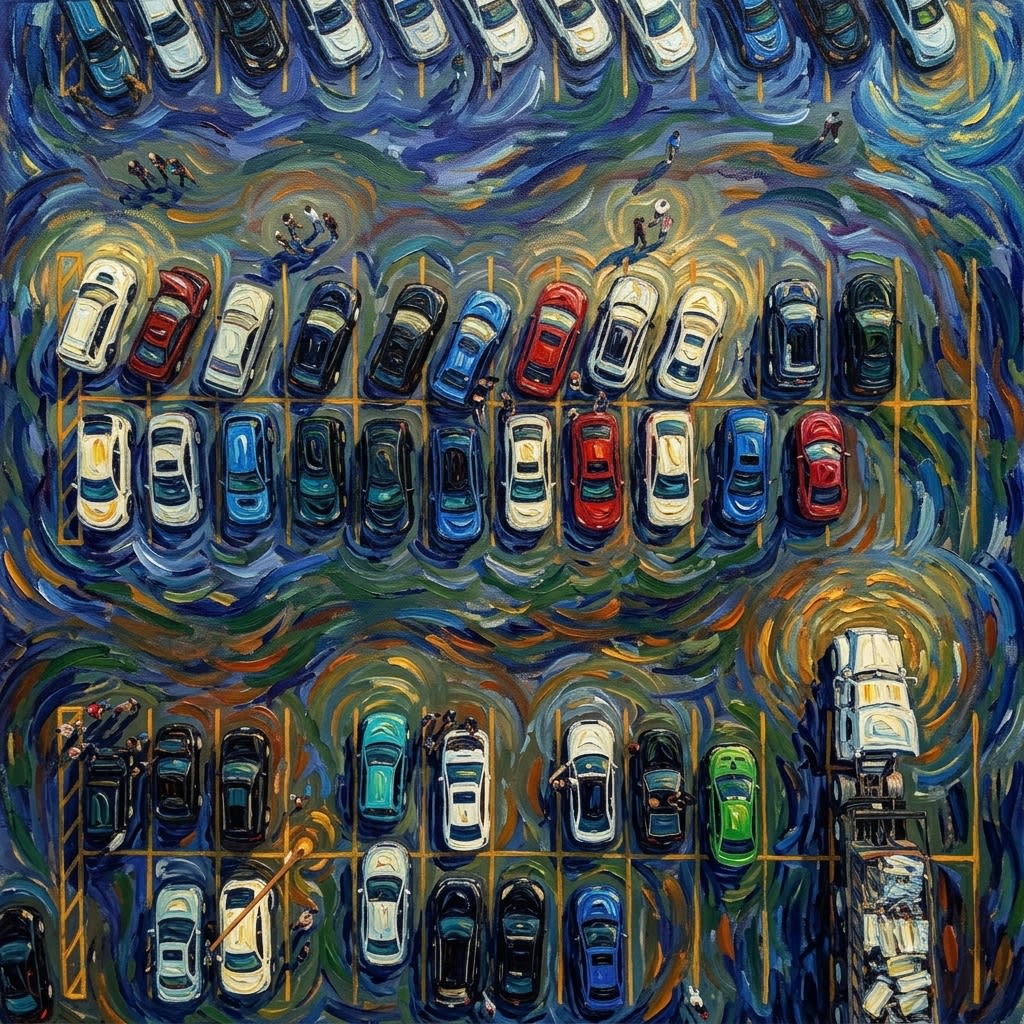
In other words, tapping someone's bumper and deciding nobody noticed isn't a legal strategy. It's an excellent way to turn a five-minute inconvenience into a much larger problem, especially when half the parking lot has cameras and the other half records videos for social media.
The California DMV also makes it clear that you may have to report qualifying collisions even on private property. So while the legal treatment of an individual stop sign or traffic movement may depend on the circumstances, the larger lesson is simple. Private property does not give you diplomatic immunity. And no, your Costco membership card isn't a passport.
THE MOST DANGEROUS MOMENT MAY BE THE ONE YOU UNDERESTIMATE
Here's something else I wish more drivers understood. Parking lots feel safe because vehicles are generally traveling slowly. We've left the freeway, we're almost at our destination, and mentally we've already started thinking about groceries, dinner, or whether we remembered to bring the reusable shopping bags.
The driving part feels finished. Except it isn't.
A parking lot brings together reversing vehicles, pedestrians, cyclists, children, open doors, blind spots, and people maneuvering in several directions at once. The National Highway Traffic Safety Administration specifically warns about drivers backing into pedestrians in parking lots and driveways. Backup cameras help, but they're no substitute for checking mirrors, looking around, and paying attention to the space around your vehicle.
And here's the part technology can't fix for you. A camera can show you what's behind your car, but it cannot guarantee the person walking behind you has noticed you're about to move. A parking sensor can alert you to an obstacle, but it cannot negotiate with an impatient driver who has decided your parking space is now their life's purpose.
Modern vehicles have become remarkably capable of helping drivers navigate tight spaces. But technology still requires something that doesn't come standard with every driver. Attention!
Before backing out, take a moment to look around the vehicle. Check for children, pedestrians, shopping carts, and moving traffic. Use your mirrors and cameras together, reverse slowly, and be prepared to stop. If someone waves you through, remember that their courtesy doesn't guarantee the path is clear. And when walking through a parking lot, don't assume a driver sees you just because you can see them. It's not complicated advice, which, judging by some parking lots, may explain why it remains so difficult.
THE CHARACTER TEST NOBODY SIGNED UP FOR
What continues to fascinate me is how differently we behave when we think nobody important is watching. Inside a store, we may hold a door open, say excuse me, apologize when our shopping cart bumps another cart, and smile politely while waiting in line.
Outside, that same person may honk because another driver needs a few extra seconds to reverse. Nothing particularly dramatic happened between the checkout counter and the parking lot. We got back into our cars, where the windshield seems to provide just enough separation to make us forget another human is being on the receiving end of our frustration.
The elderly driver who takes longer to park. The parent trying to load a child into a car seat. The person recovering from surgery who needs a little more time to cross an aisle. The teenager still learning how to maneuver a vehicle. We rarely know the circumstances of the people holding us up, but we are remarkably quick to develop an opinion about them.
I don't believe parking lots create impatience, selfishness, or entitlement. They give those qualities a chance to show themselves. They also reveal the opposite. The driver who leaves a little more room. The person who stops for someone crossing. The stranger who helps retrieve a runaway shopping cart—the person who gives up a convenient parking space without requiring a formal ceremony acknowledging their sacrifice. Small gestures, certainly. But small gestures are often the clearest evidence of character.
BEFORE YOU TURN OFF THE ENGINE
Now, I realize nobody wants to visit a shopping center and receive a philosophical lecture about civilization. Most of us want milk, bread, perhaps something for dinner, and the satisfaction of leaving without spending twice what we planned. Fair enough.
But consider this the next time you enter a crowded parking lot. You can drive an expensive car, know every traffic law, own the latest safety technology, and still behave like someone who shouldn't be trusted to operate a shopping cart. You can also drive an aging little Honda, park at the far end of the lot, give somebody room to maneuver, and show more courtesy in thirty seconds than another driver demonstrates all afternoon.
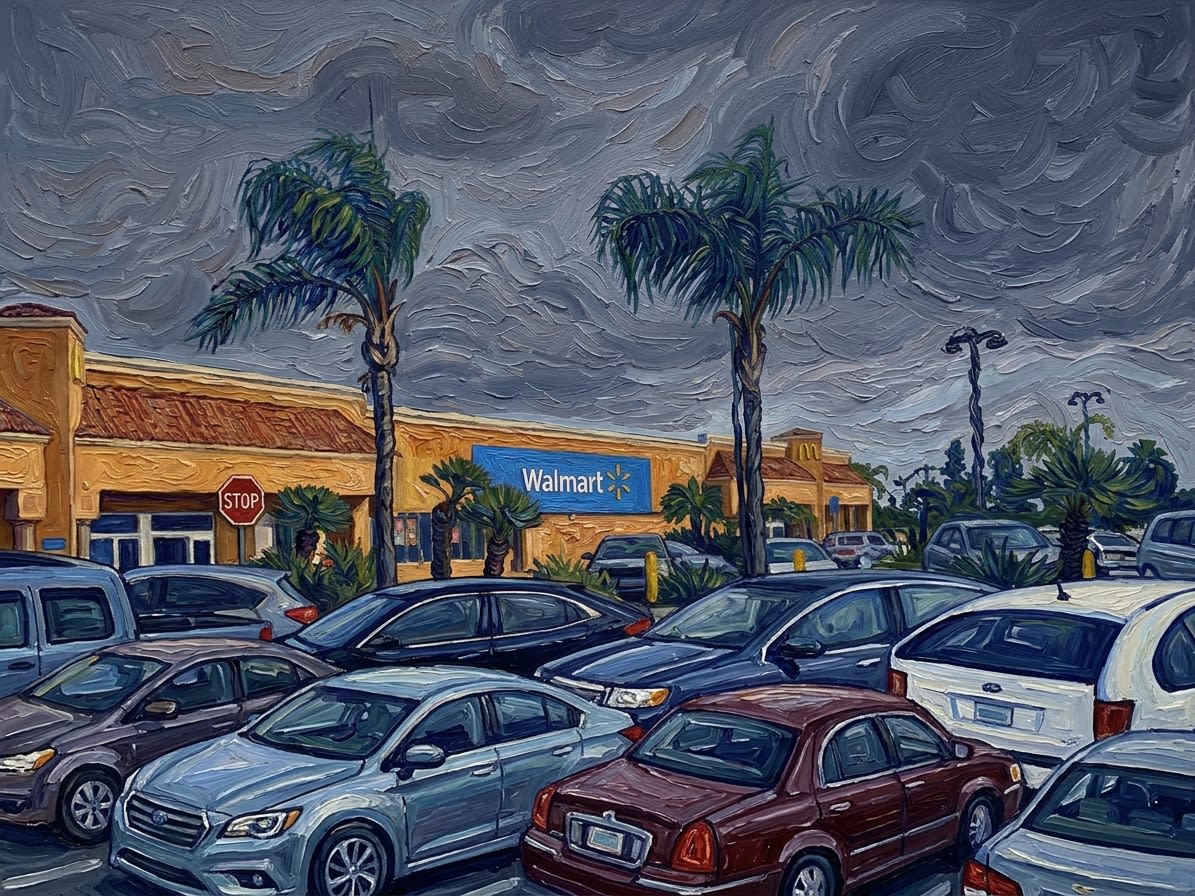
Neither behavior requires money, horsepower, or an advanced degree—just a decision.
So the next time someone takes an extra moment to back out, a pedestrian crosses your path, or another driver reaches a parking space before you, consider what is actually at stake. Usually, very little. Certainly less than the anger we sometimes invest in it.
And if you've ever sat behind the wheel, furious because someone took the parking space you wanted, remember this: you weren't robbed of your property. You were mildly inconvenienced while trying to buy groceries. Civilization will survive.
Besides, Los Angeles already gives us enough opportunities to practice patience on its freeways. It would be nice if we occasionally brought some of it into the parking lot.
The freeway tests your ability to follow the rules. The parking lot tests what you do when you think nobody is enforcing them.
Sometimes, the shortest drive of your day reveals the longest distance between who you claim to be and who you actually are.
Read Doug Stokes' review of the author's latest book, CARSTROLOGY: When Astrology And Zodiac Gears Align, Horsepower And Driving Habits Shift.
About The Author
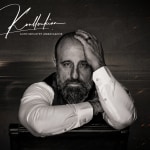
Shahe Koulloukian has spent 46 years in the automotive industry, including 32 as the owner of Mazvo Car Care Center in Phoenix, Arizona, working on cars and listening to the people who drive them. It’s an education in human behavior that rarely comes with a service manual. An automotive industry expert, consumer educator, and author of three books, Car Confidential, Car Confidential: Legacy, and Carstrology: When Shift Happens, Shahe helps drivers understand their vehicles and the decisions that come with them. Through his writing, television appearances, ownership workshops, and podcast, The Car Confidential Show, he brings practical knowledge to a subject too often buried in jargon (see carconfidential.net). An actor and former touring stand-up comic, he combines a storyteller’s eye, a technician’s judgment, and a healthy suspicion of expensive excuses. His work explores human behavior through the windshield: the money, fear, ego, and trust riding along whenever we turn the key. His guiding principle is simple: repair sensibly, not emotionally. “I sit crooked and talk straight,” he says. “The car reveals the symptom. The owner reveals the pattern.”